CONTACT US
Fresh mozzarella belongs to the pasta filata — "spun paste" — family of cheeses, a method passed down through generations of Italian cheesemakers. Curd is warmed and worked until it reaches a smooth, elastic consistency, then pulled and stretched by hand before being shaped into balls. This stretching process is what gives mozzarella its signature texture: tender, slightly springy, and layered when you pull it apart.
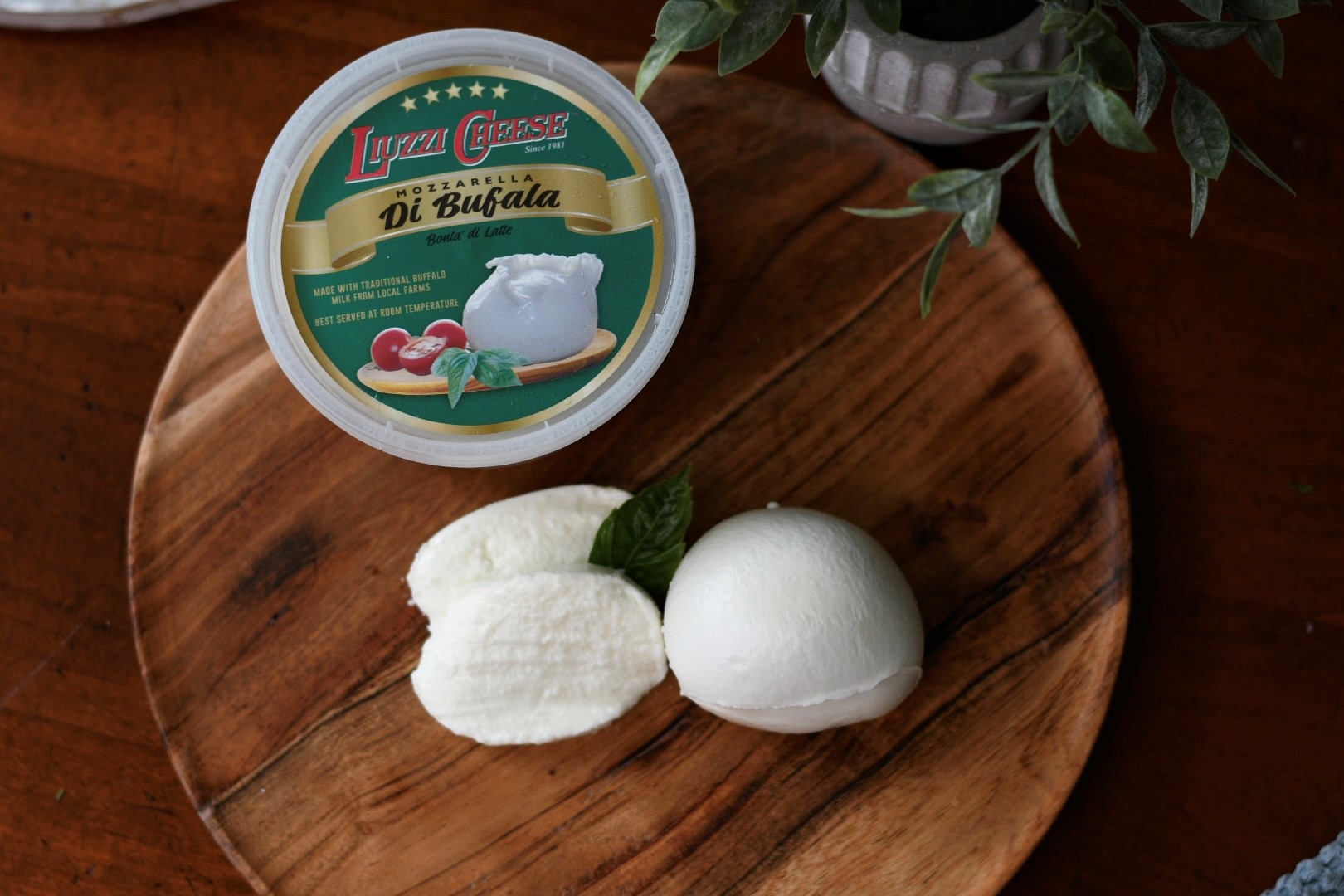
Bufala mozzarella follows the same tradition but starts with water buffalo milk instead of cow's milk, prized for centuries in Italy for its higher fat content and richer flavor. The result is a creamier, more luxurious cheese with a distinctly tangy depth.
Fresh mozzarella is mild, milky, and slightly sweet, with a delicate elasticity that gives way to a soft, yielding bite. Bufala is richer and tangier, with a denser, creamier mouthfeel and a more pronounced dairy flavor.
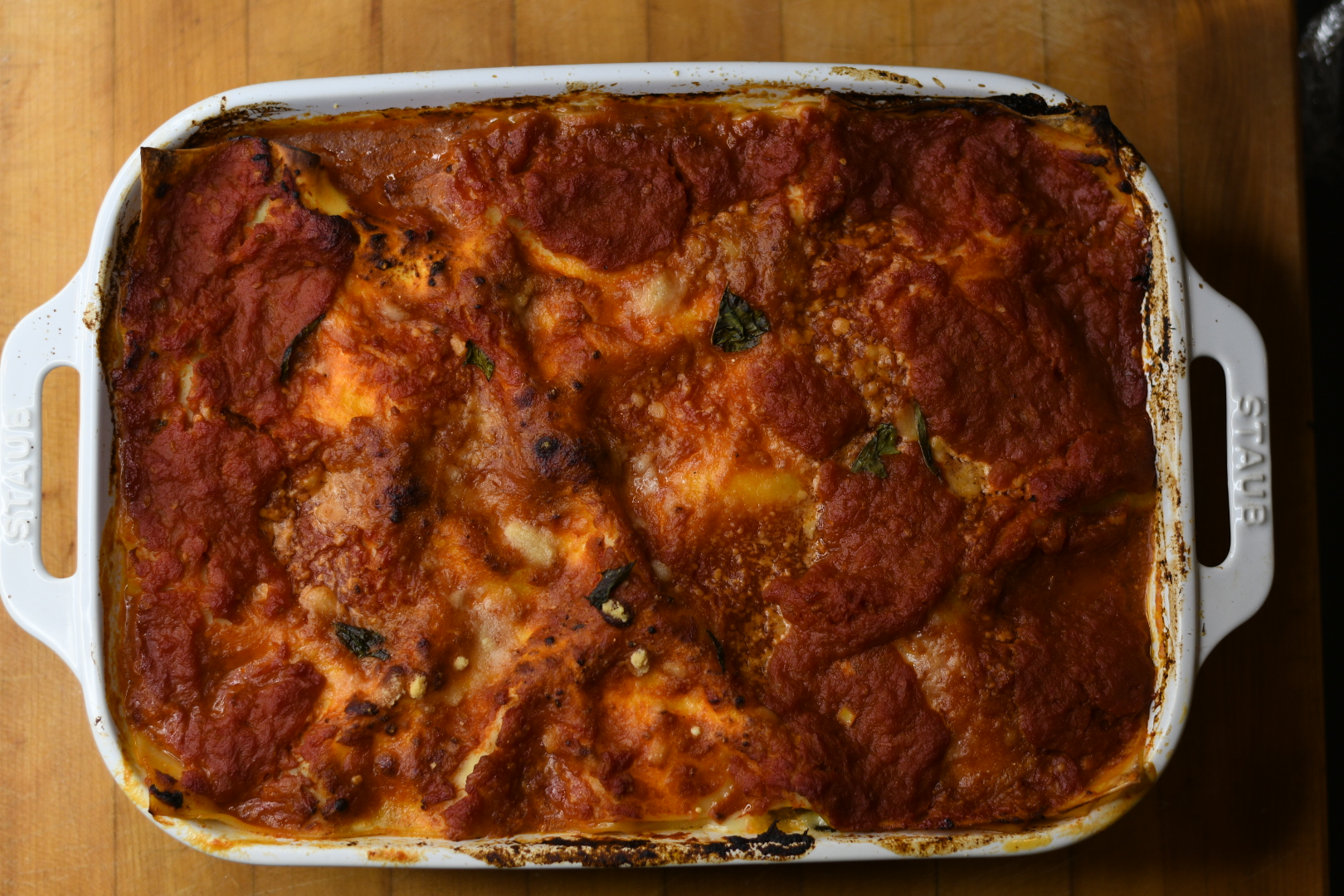
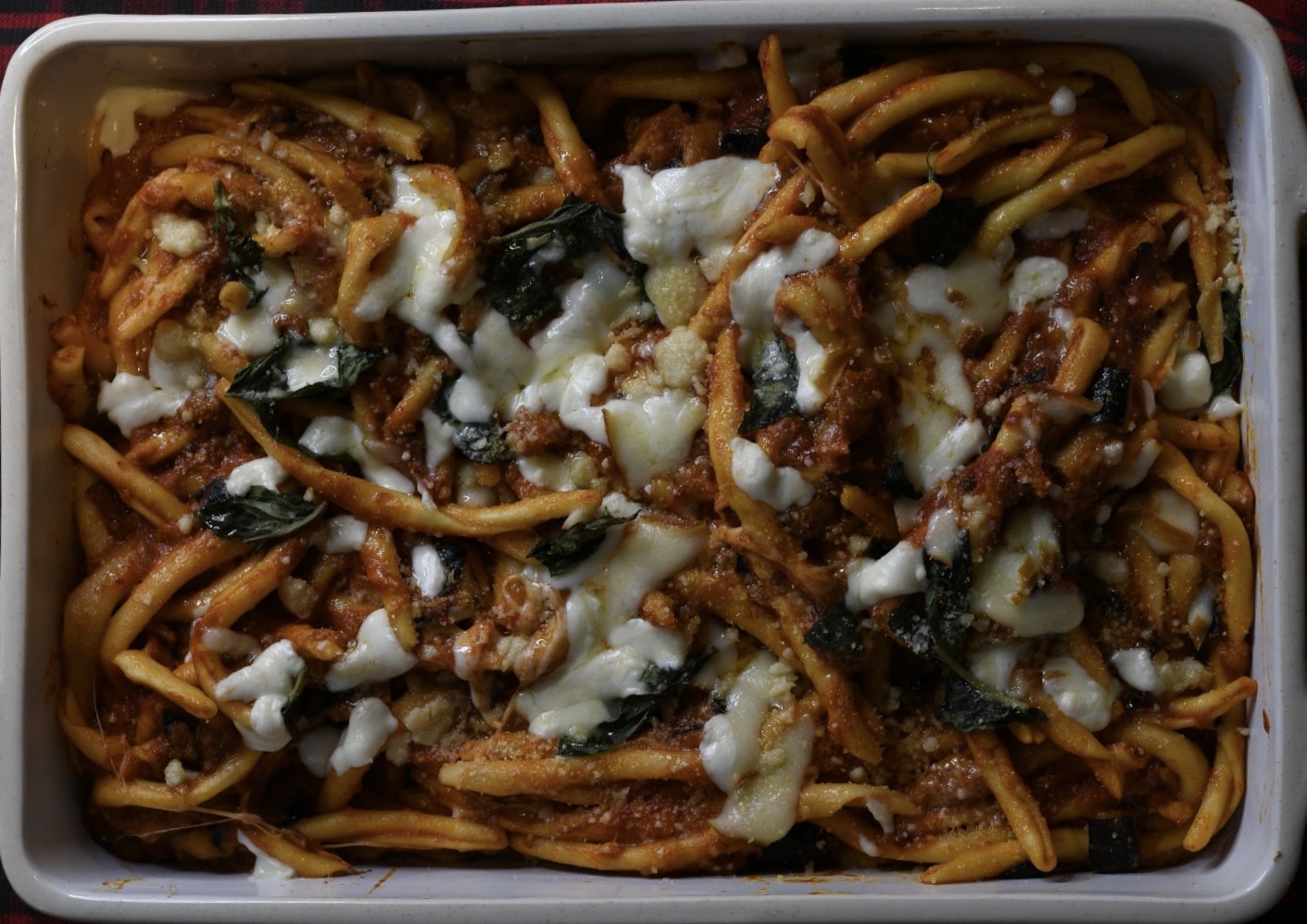
Best enjoyed at room temperature to let the flavor and texture fully open up — cold mozzarella straight from the fridge mutes both. Slice and serve simply, or tear by hand for a more rustic presentation. Both styles melt beautifully, making them a natural fit for baking, though Bufala's higher moisture content means a slightly shorter cook time to avoid excess liquid.
Ripe tomatoes, fresh basil, and good olive oil remain the classic match for a reason. Bufala pairs especially well with prosciutto, cracked black pepper, and a drizzle of aged balsamic. On the wine side, a crisp Vermentino or light Pinot Grigio complements the fresh, milky notes without overpowering them.
A traditional pizza mozzarella made with a carefully curated starter culture, giving it a milky, slightly sharp flavor and excellent melt. Off-white with a subtle yellow hue
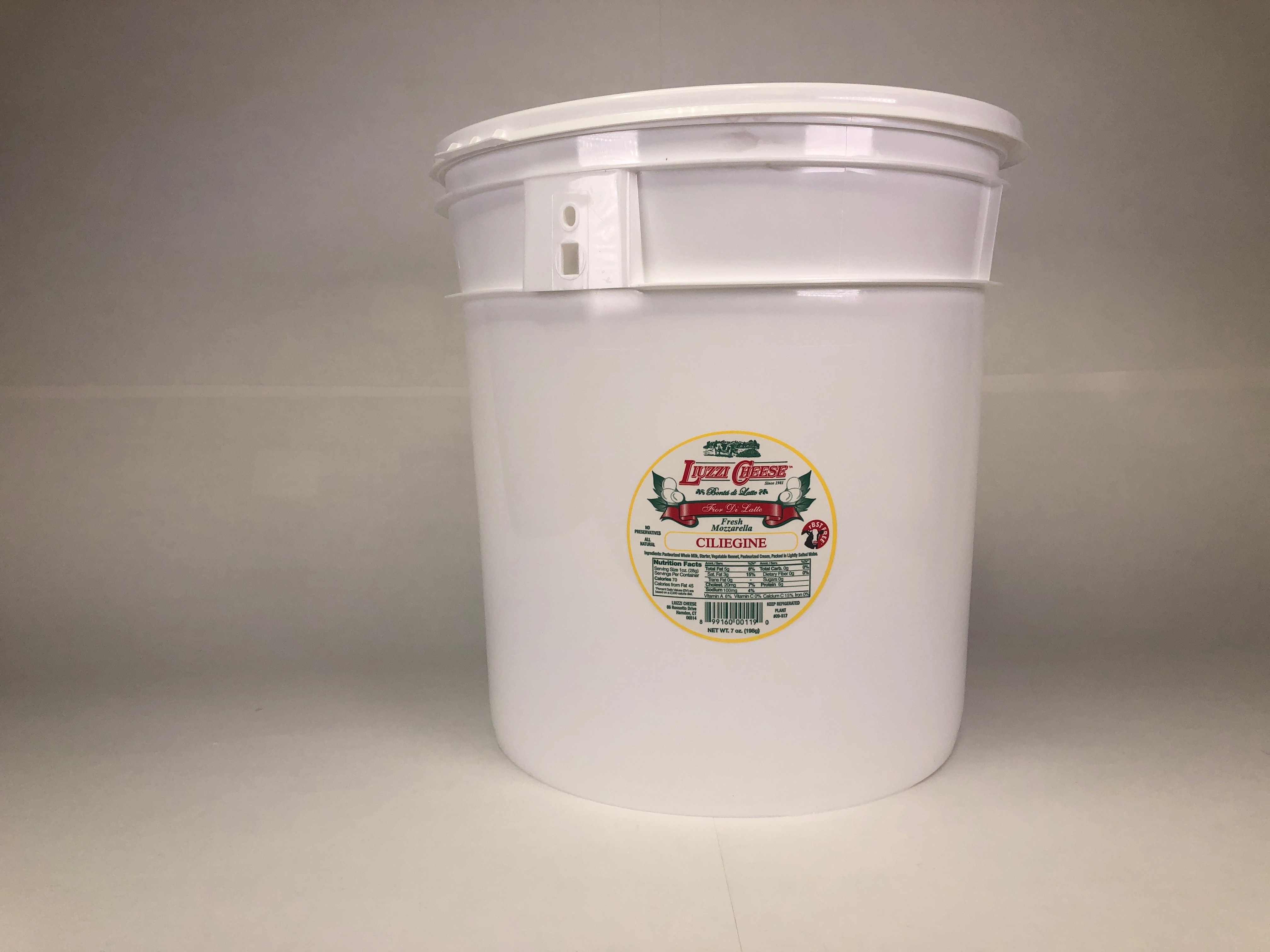
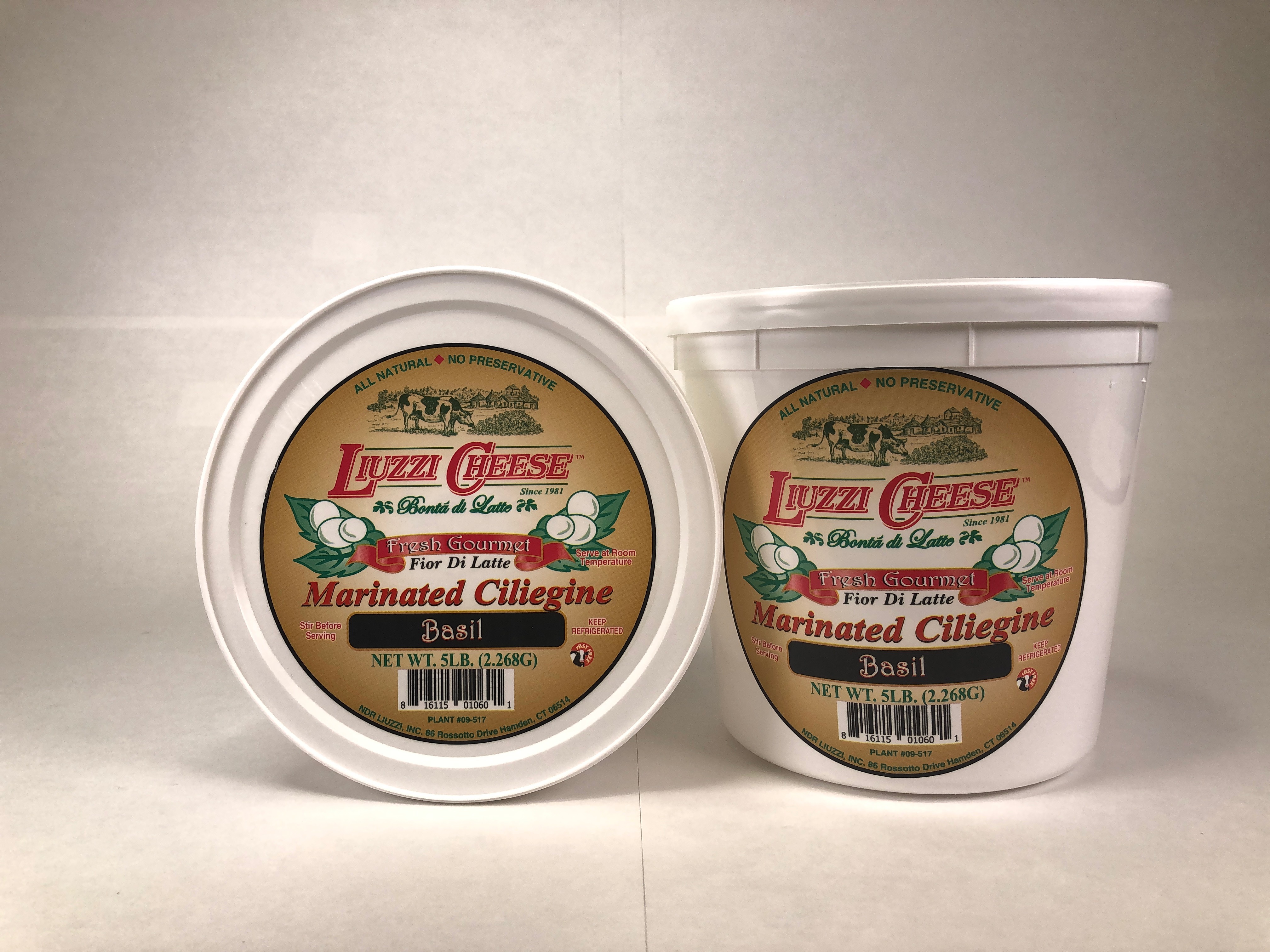
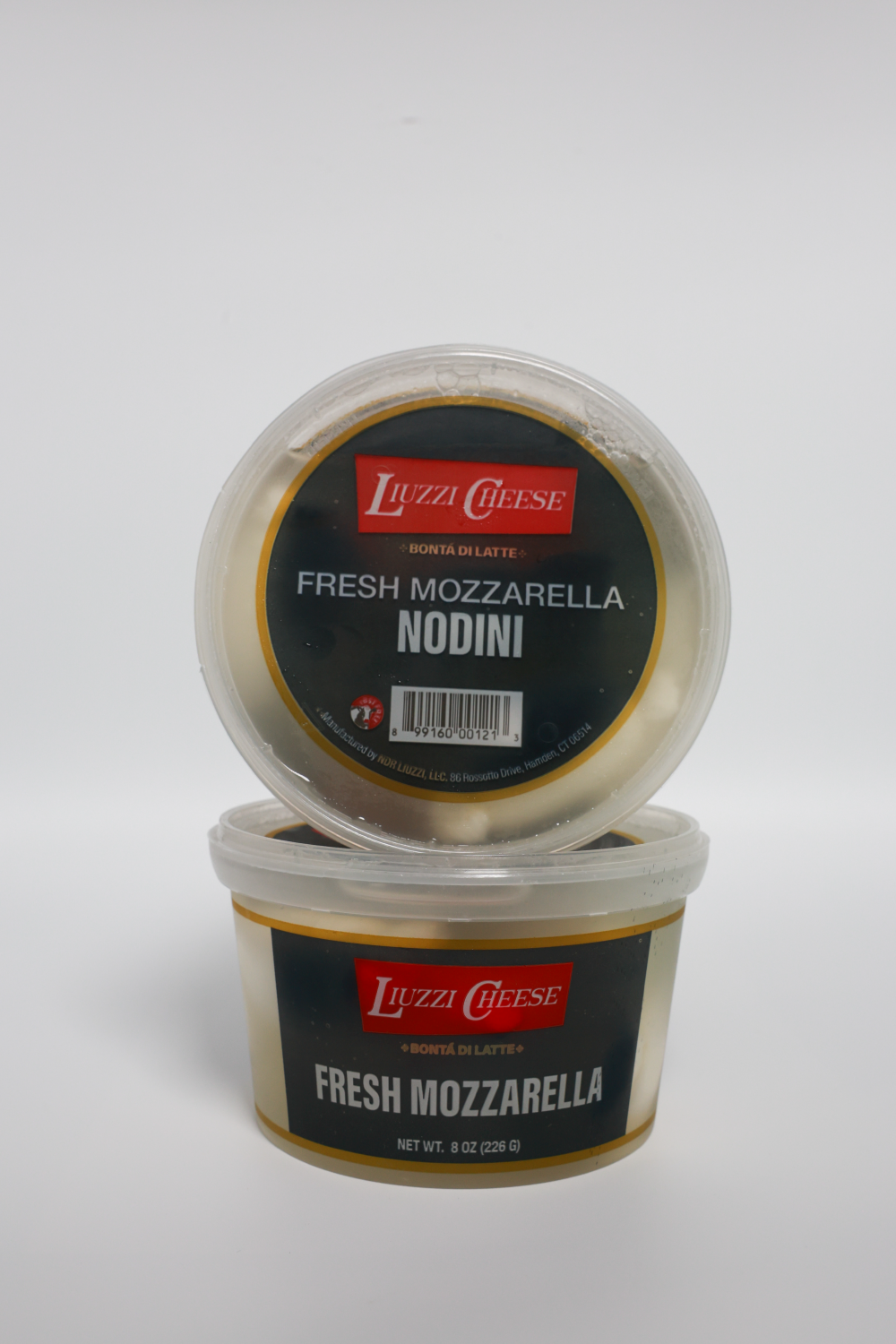
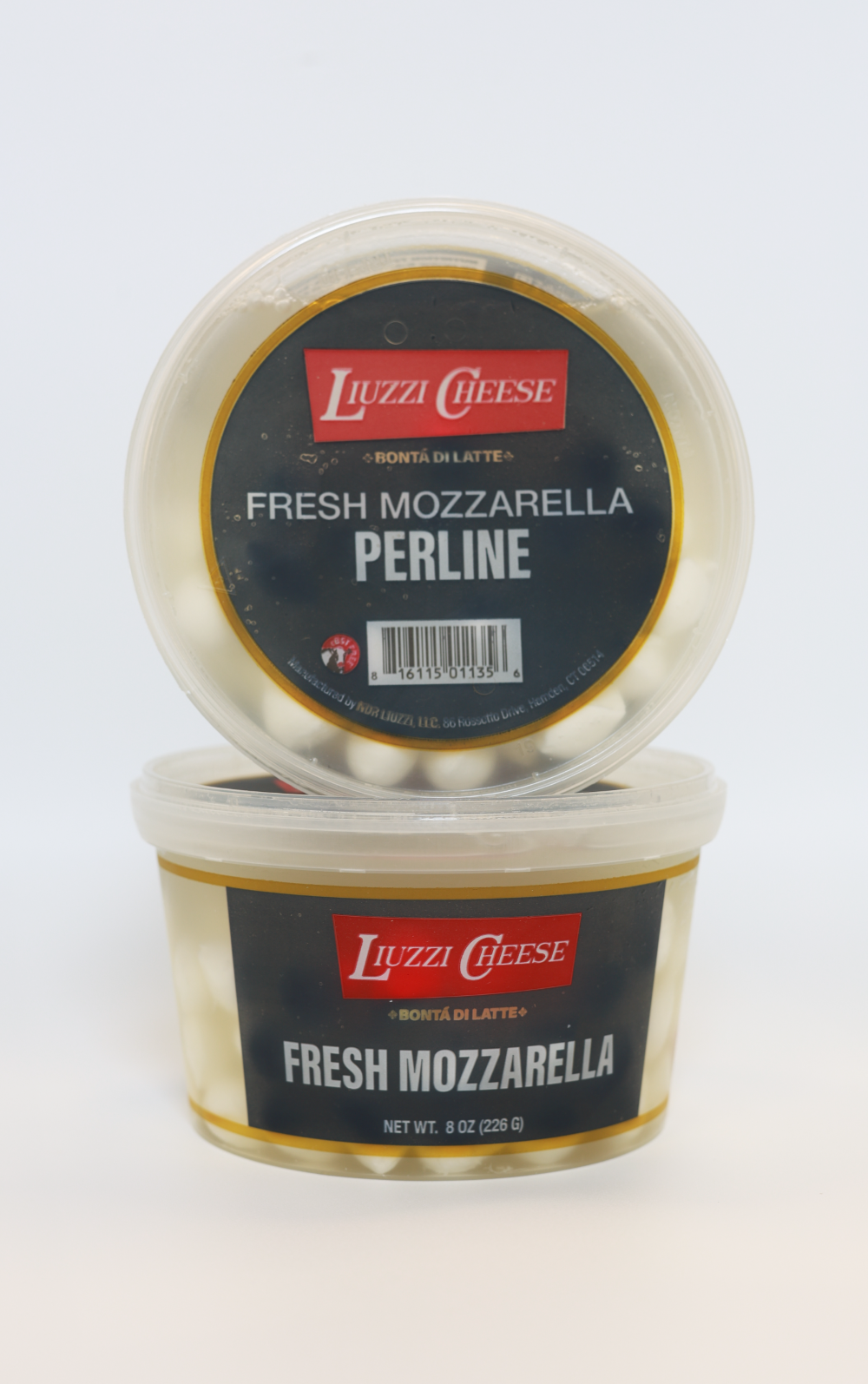
Cherry-size fresh mozzarella marinated in olive oil, herb, and basil — a lighter, herb-forward marinade without the tomato, letting the basil and olive oil carry the flavor.
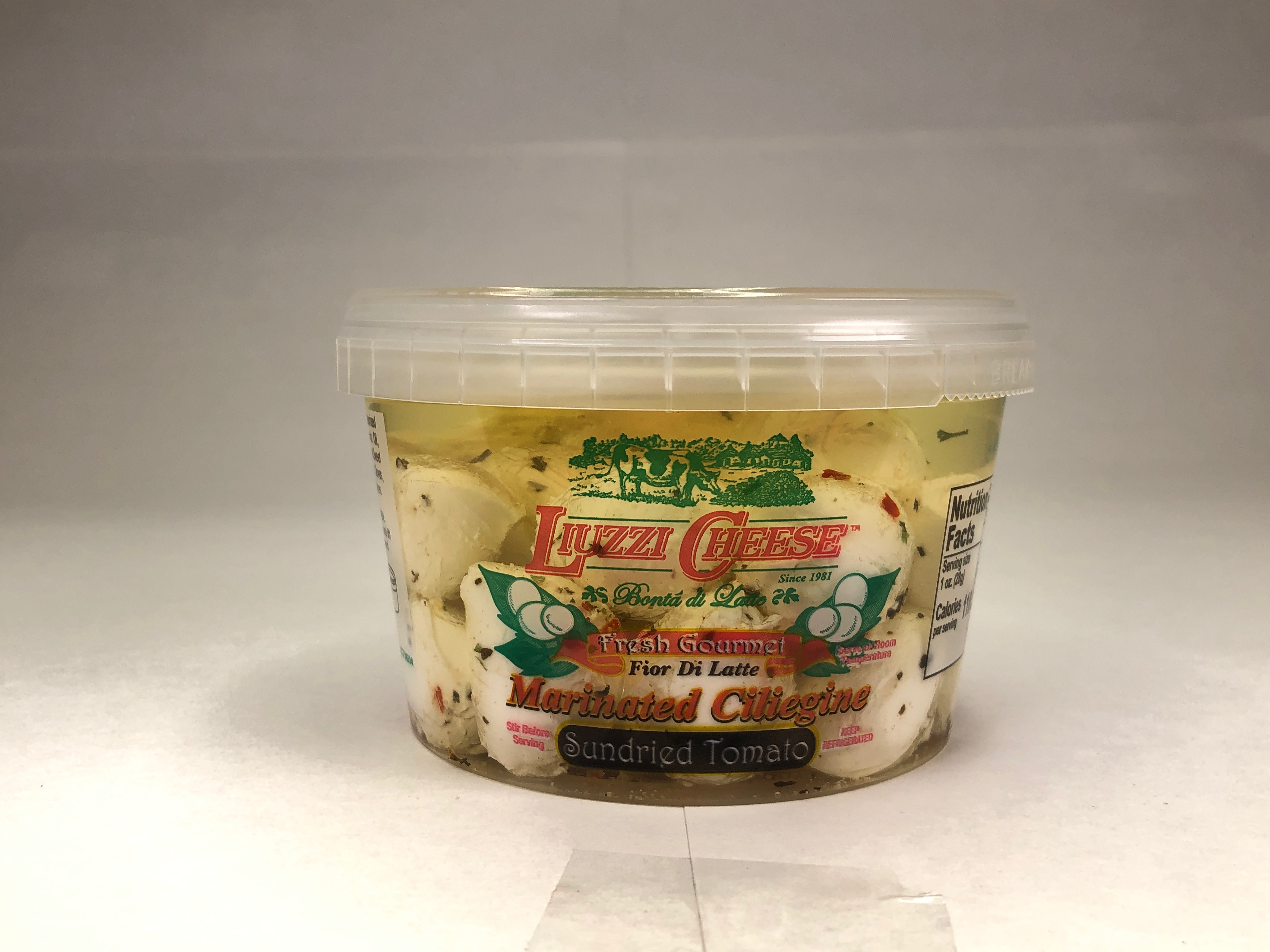
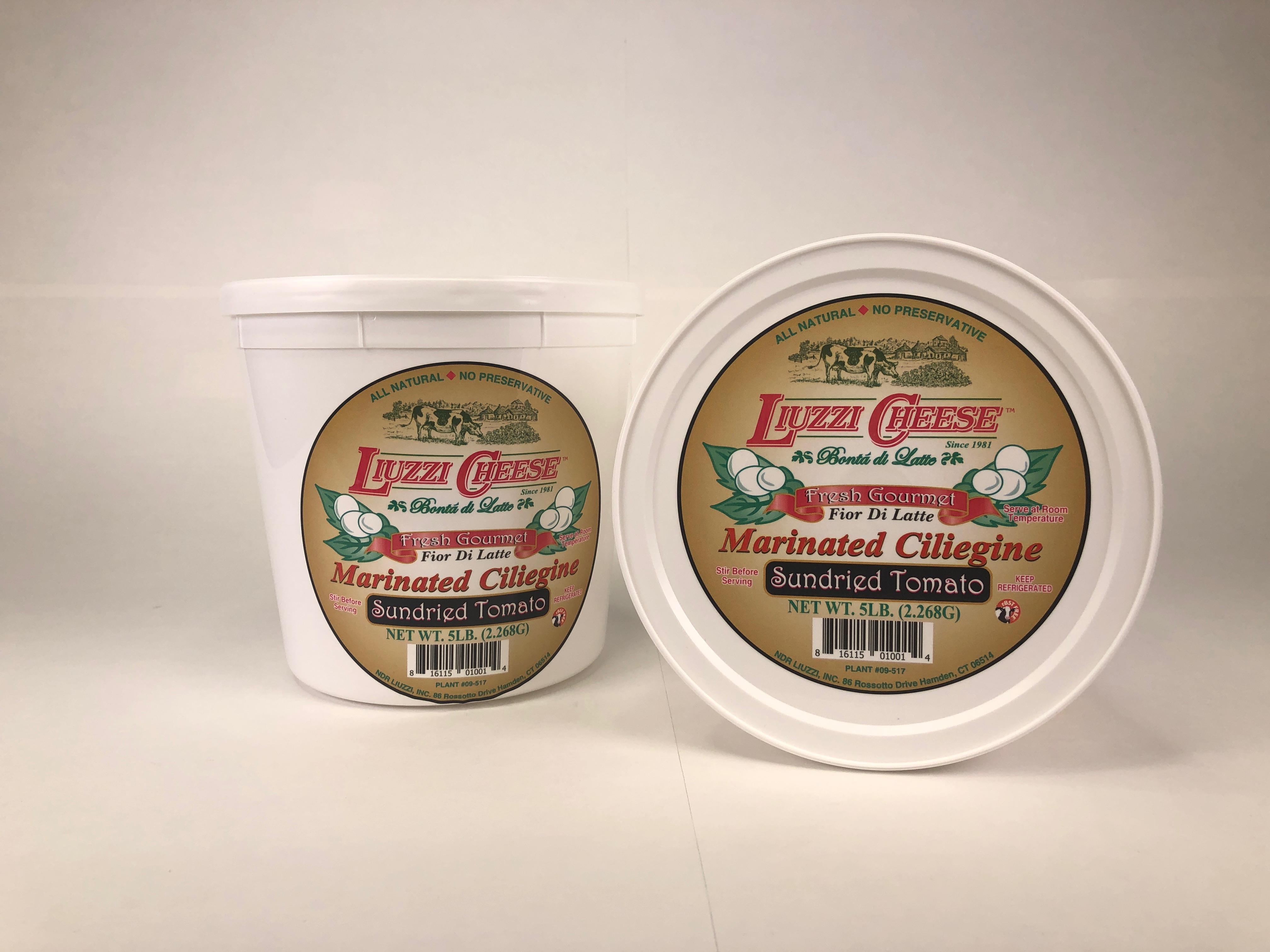
Cherry-size fresh mozzarella marinated in olive oil, herbs, basil, and sundried tomato — a heartier, more savory marinade than the basil version, with the tomato adding tang and color.
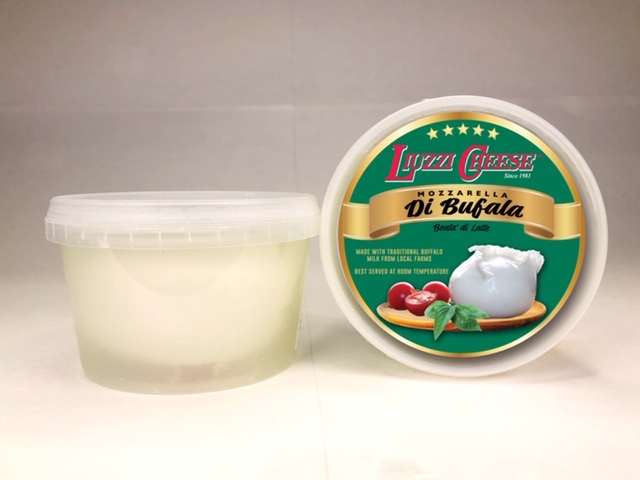
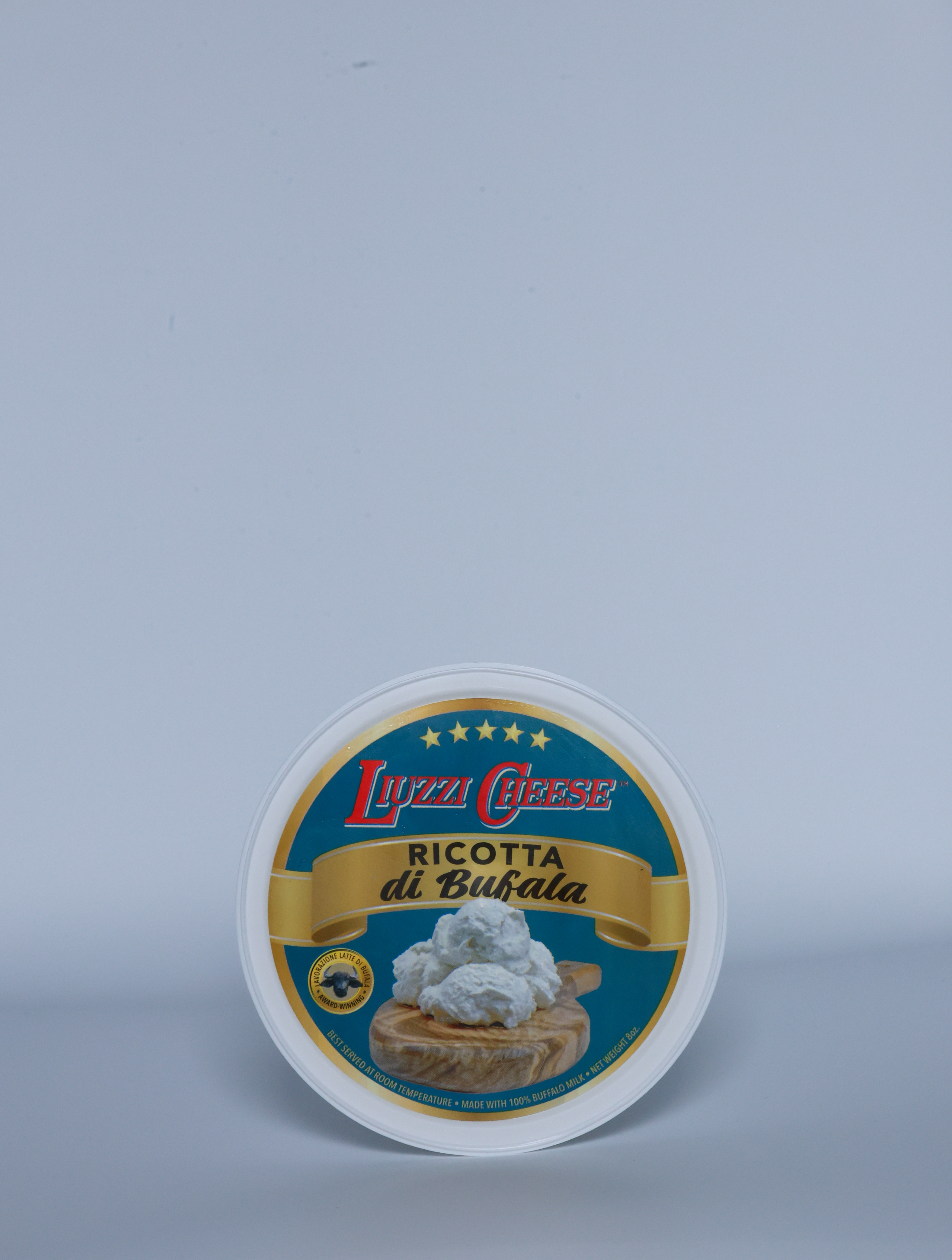
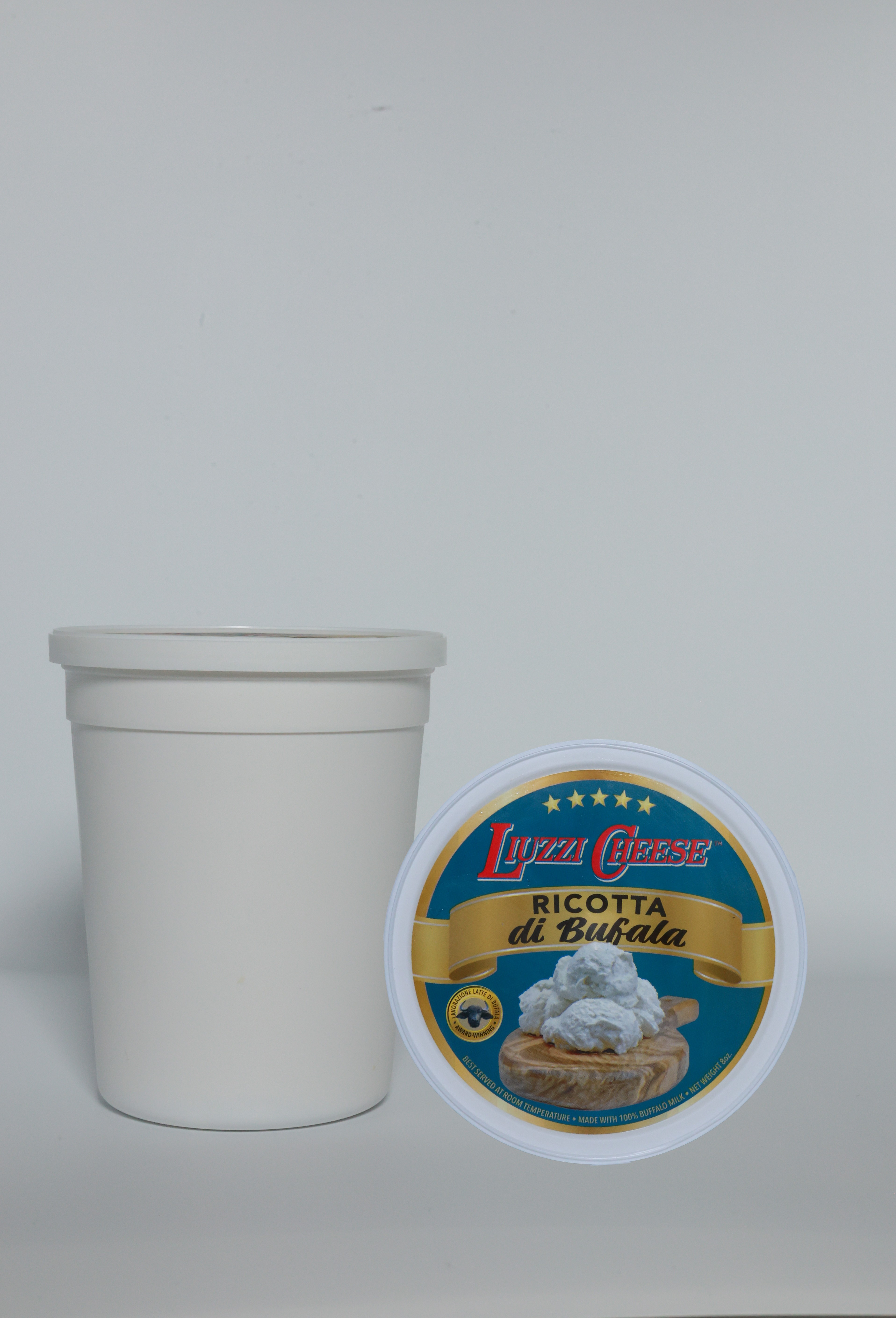
Made from water buffalo milk instead of cow's milk, giving it a richer, tangier flavor and a softer, more delicate texture than the rest of the mozzarella line.
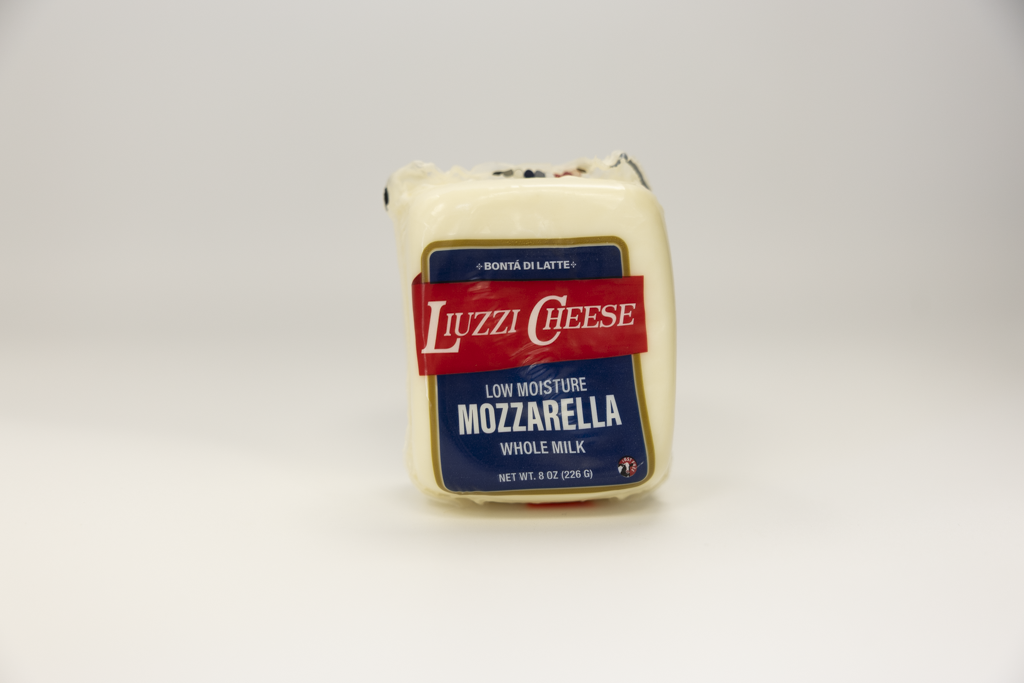
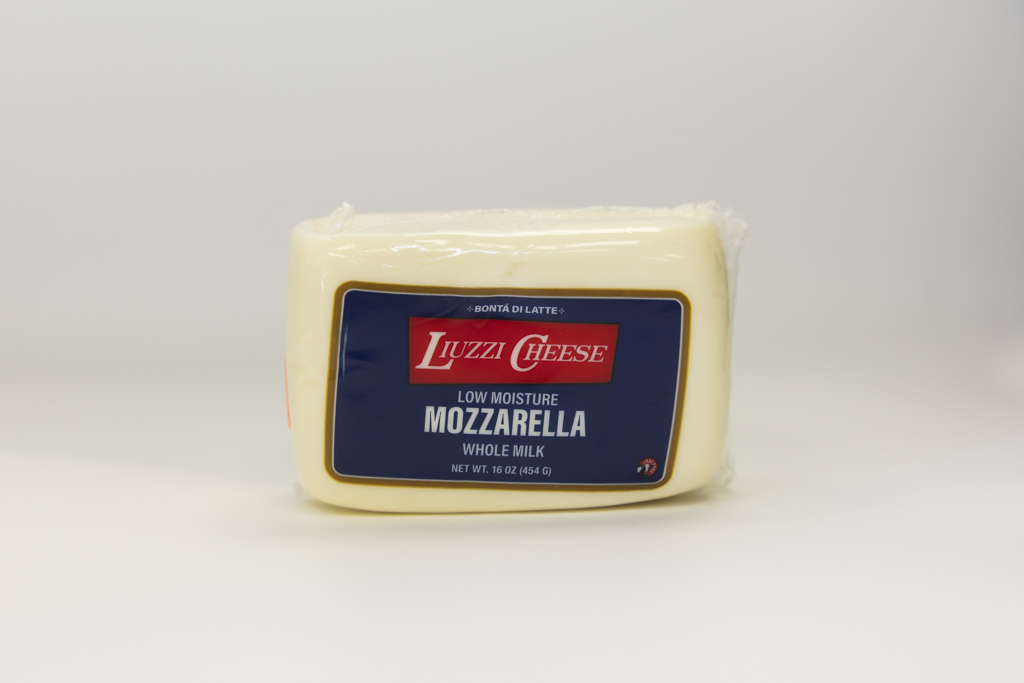
The lowest moisture content in the mozzarella line, giving it a firmer texture built for shredding and melting rather than fresh eating.
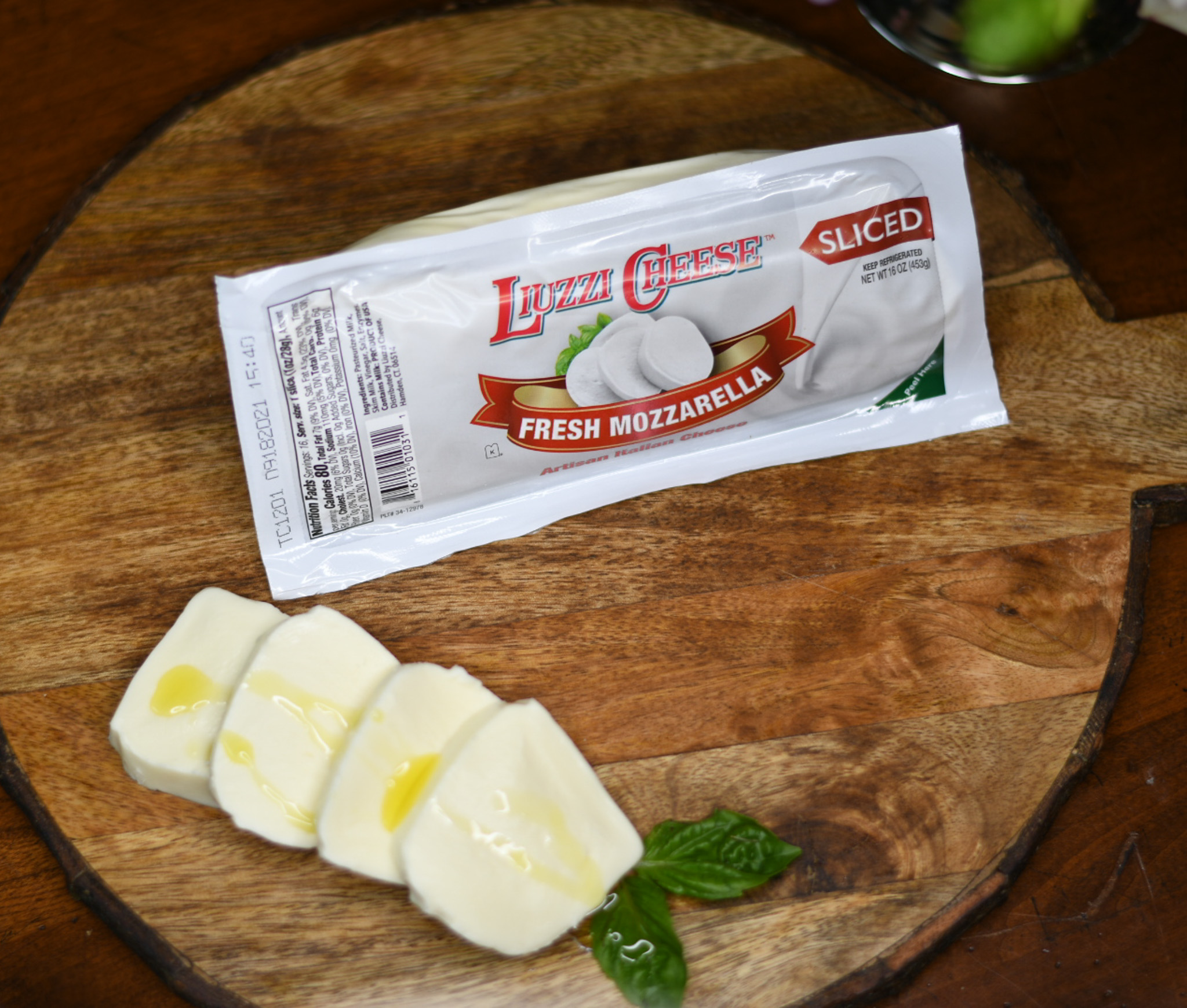
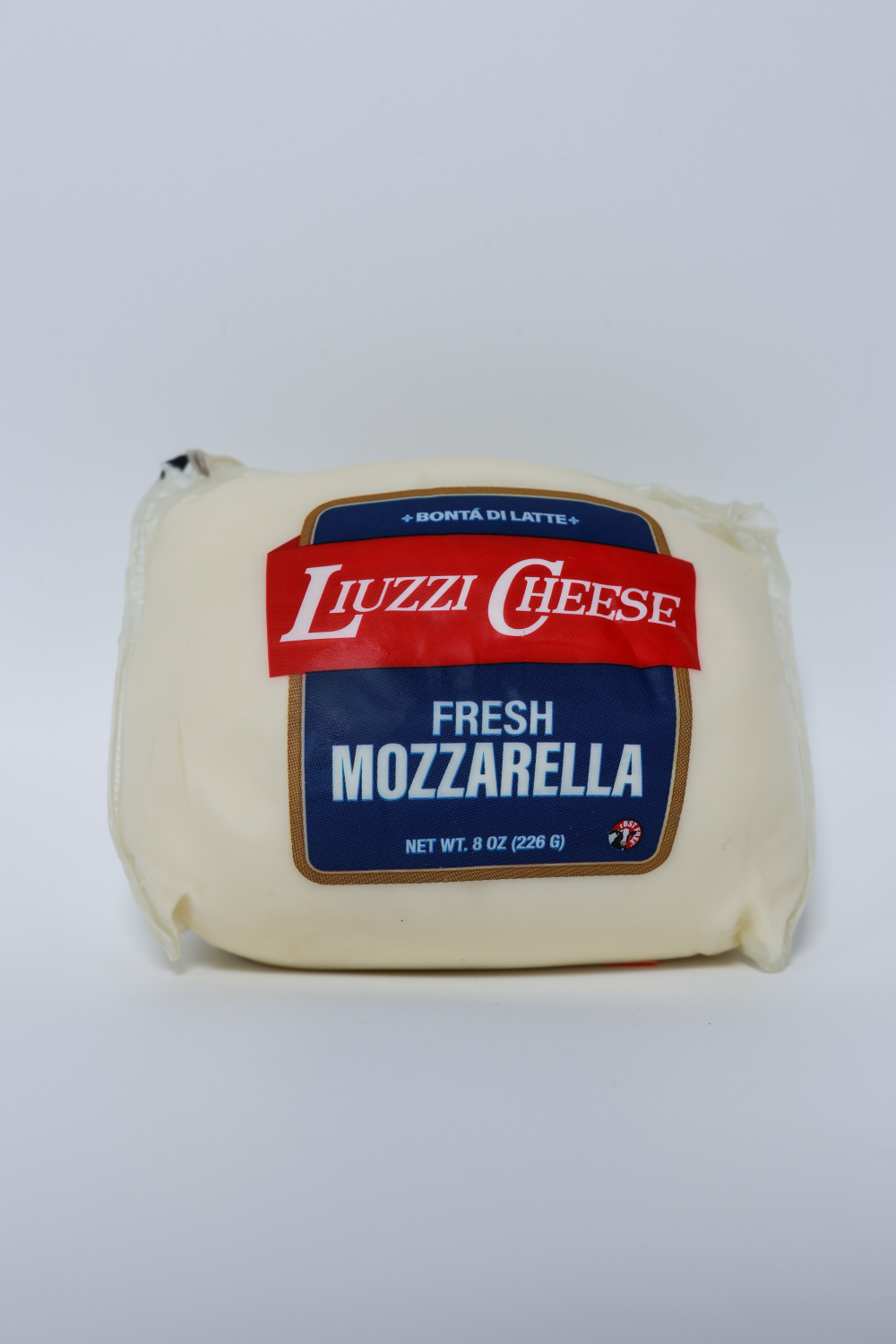
Sealed in a thermoform pack for extended shelf life, with easier opening than vacuum seal — also available sliced.
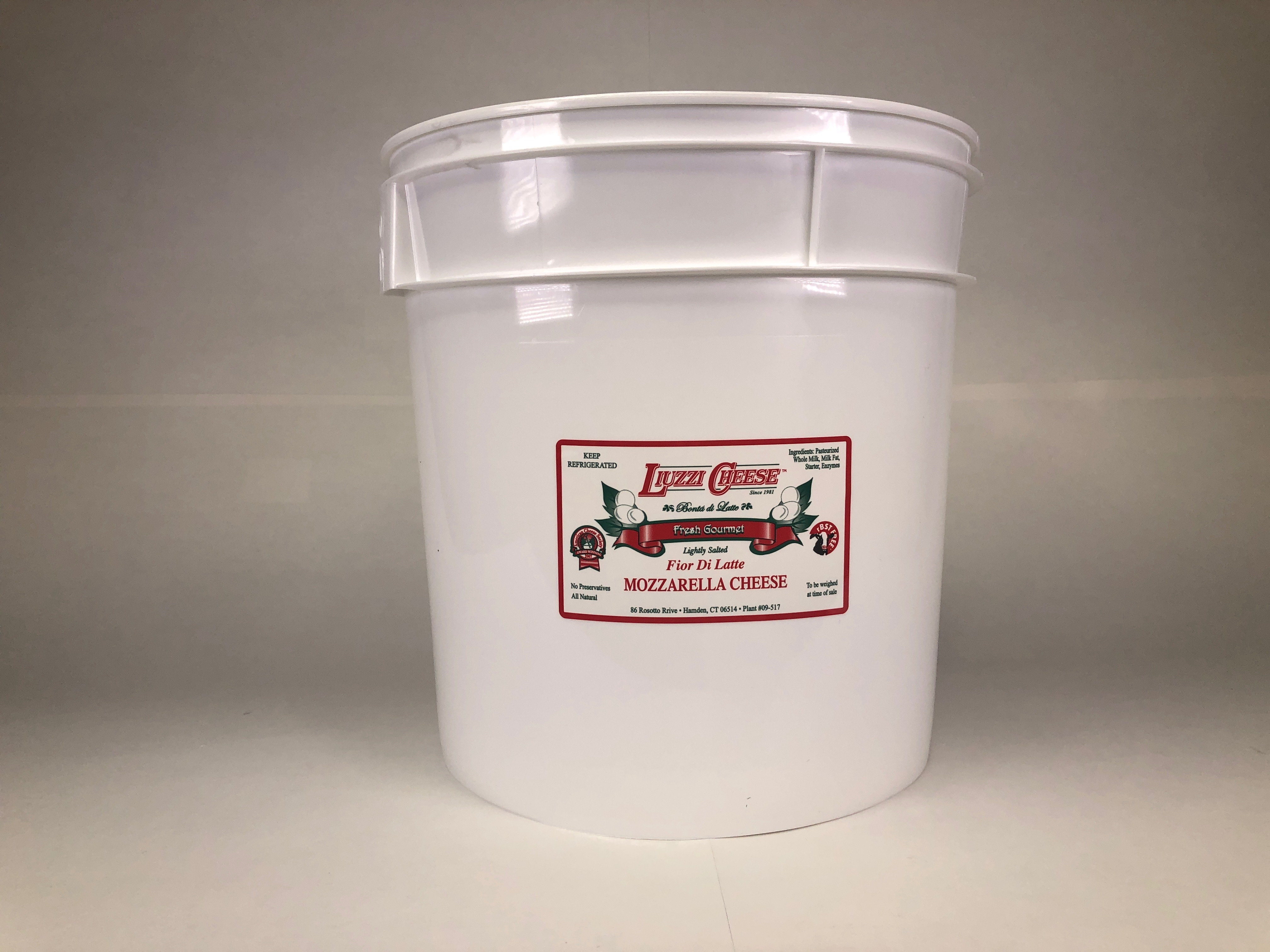
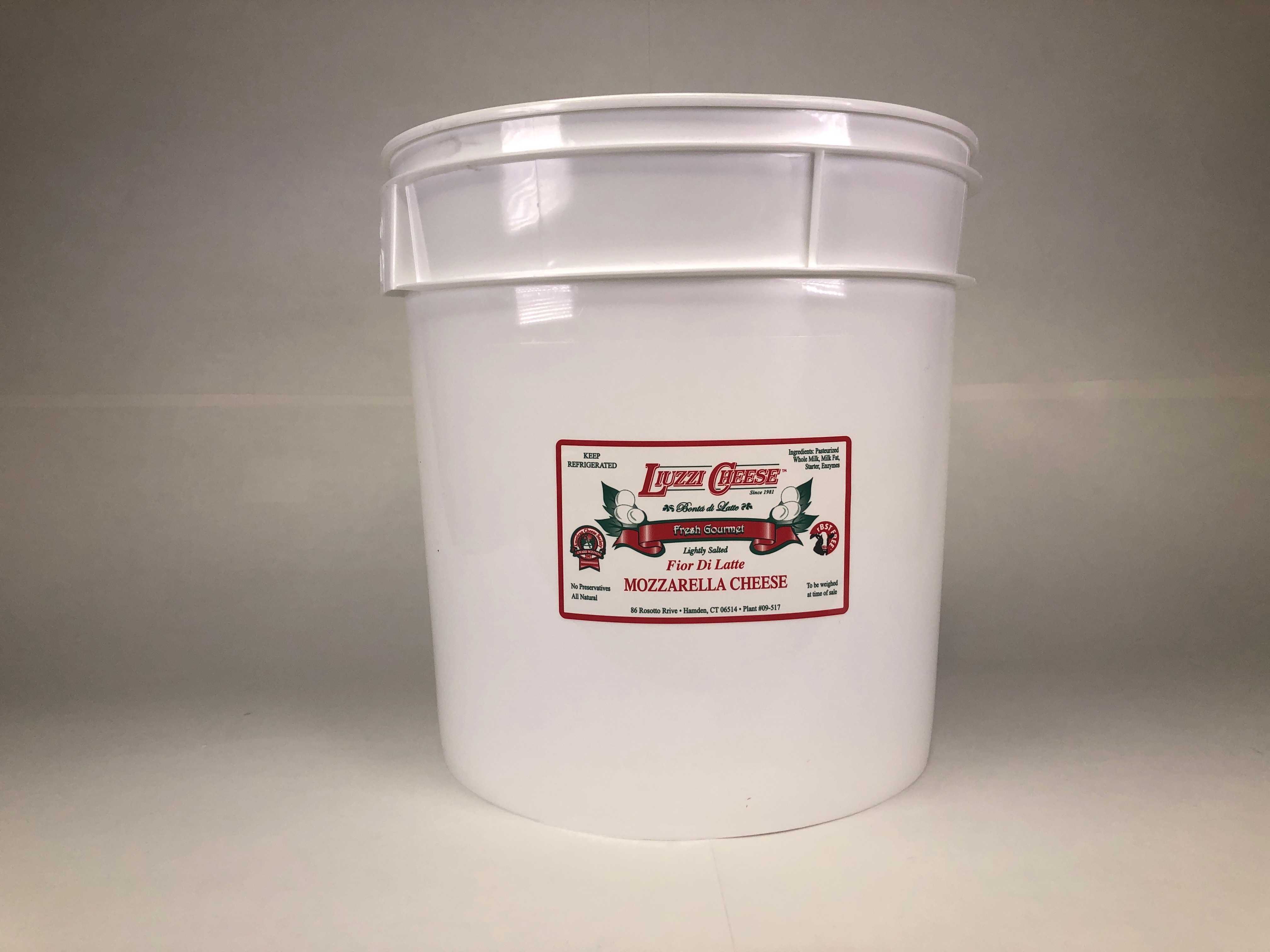
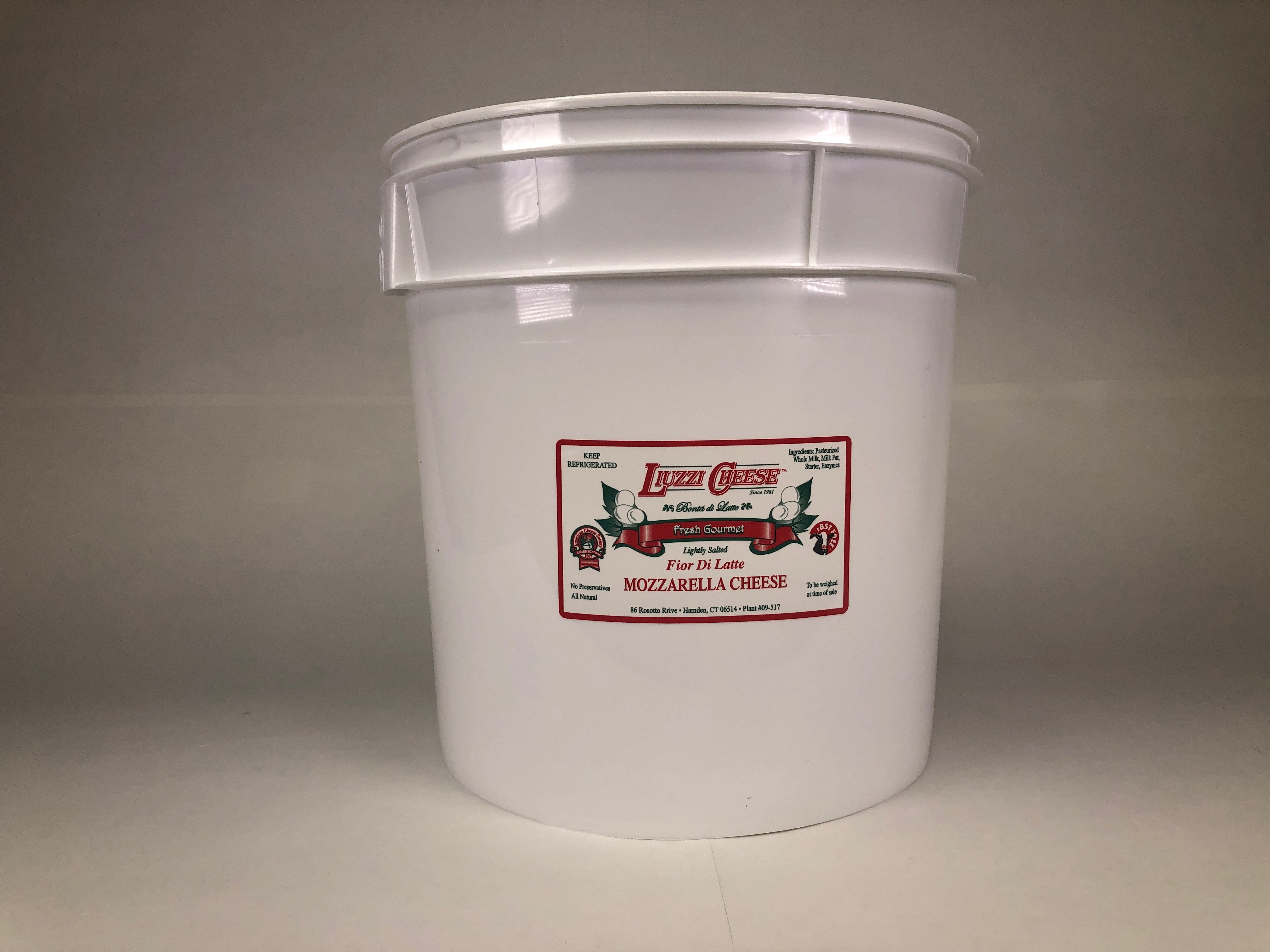
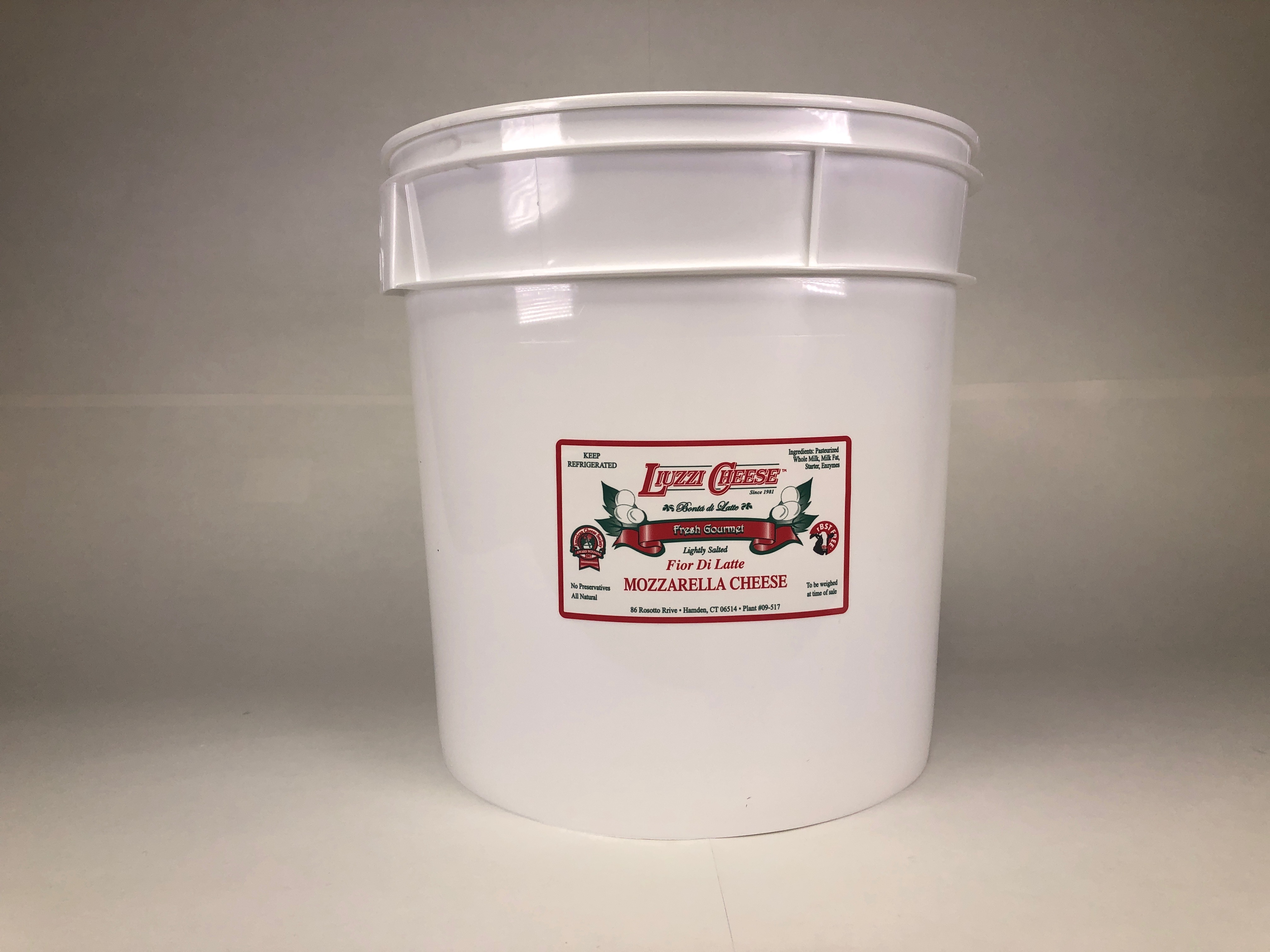
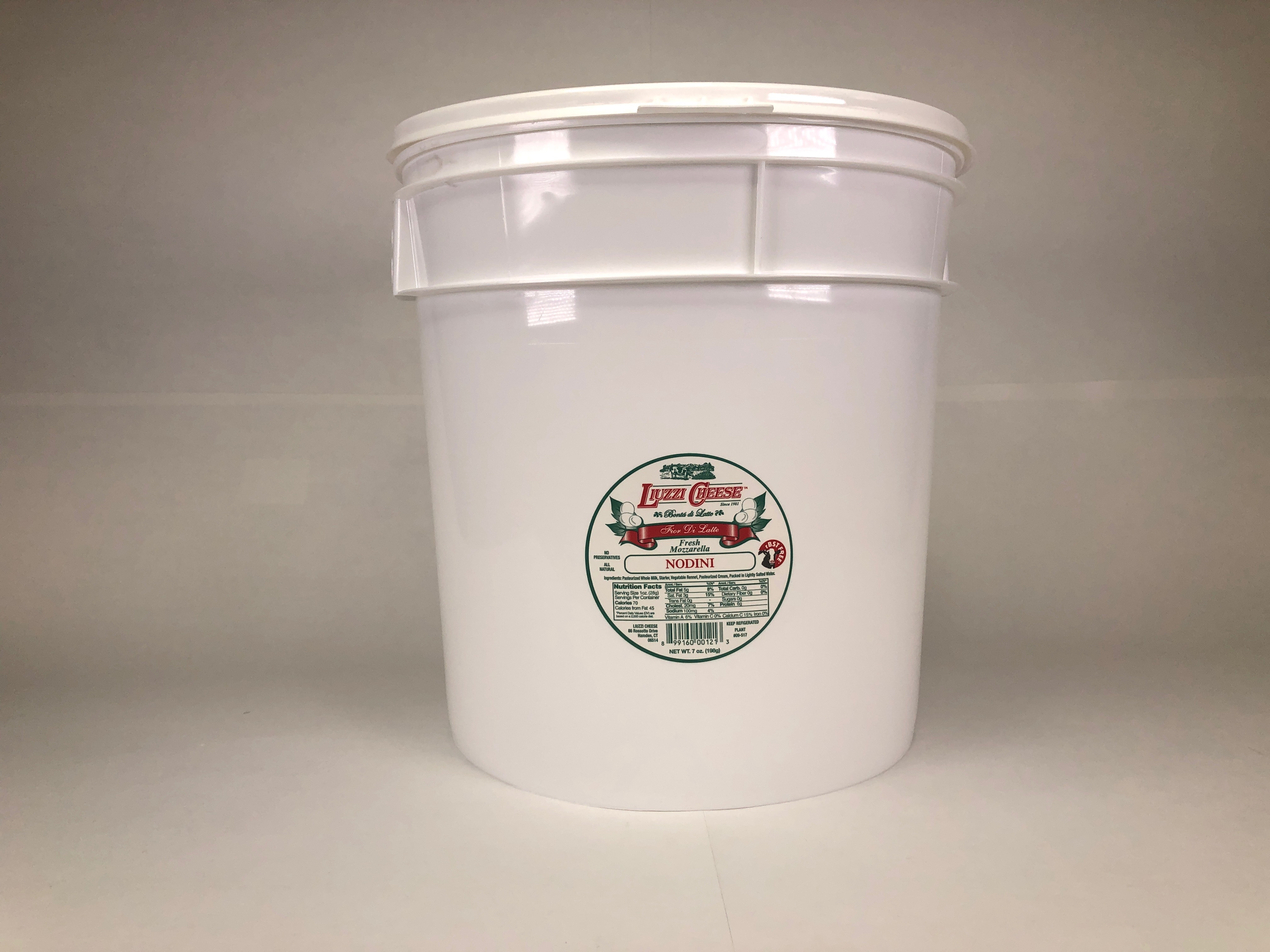
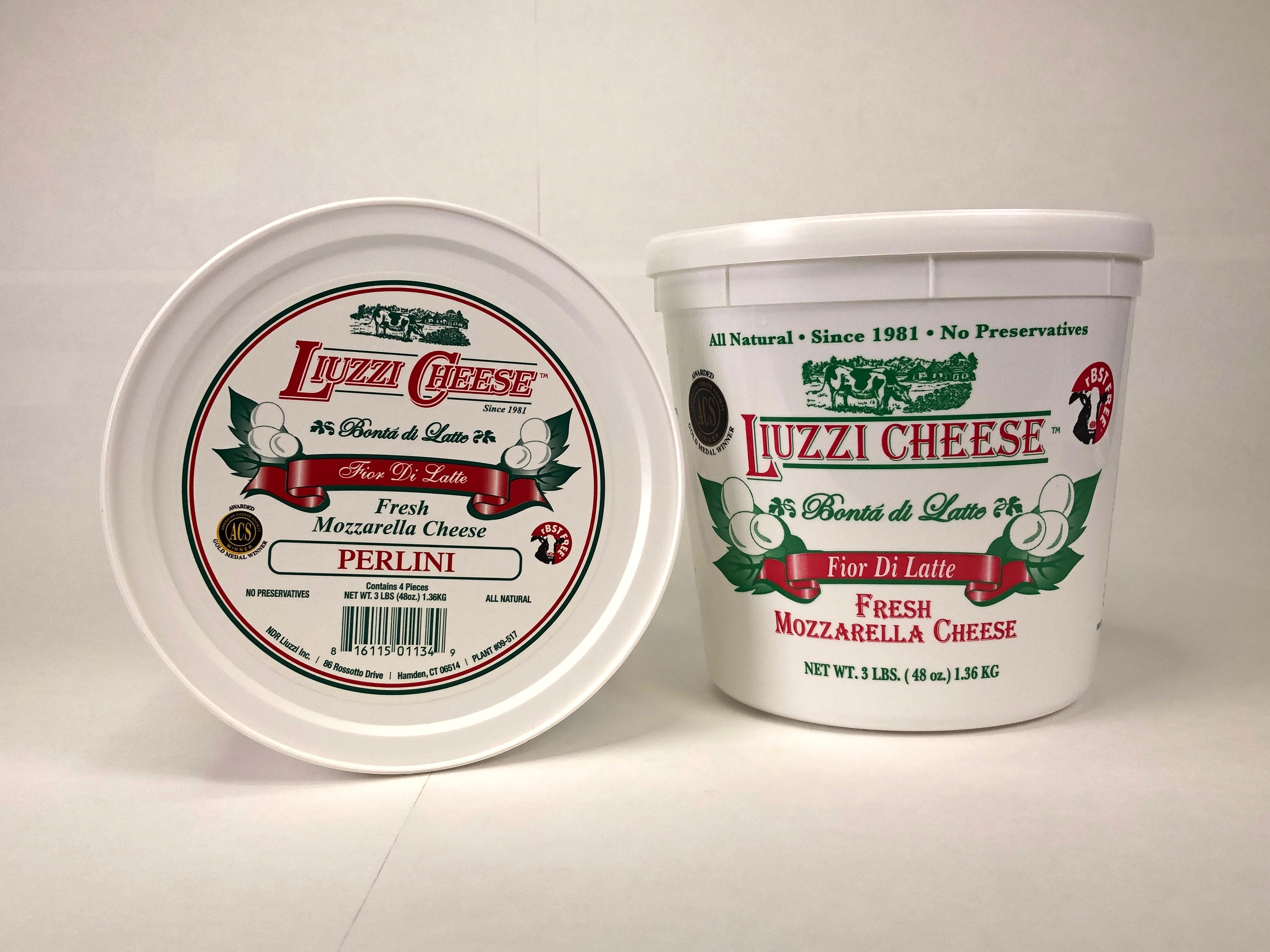
Fresh mozzarella packed in bulk, 20 lb buckets, and held in water to keep it soft and moist — the classic format, best for slicing and serving fresh.
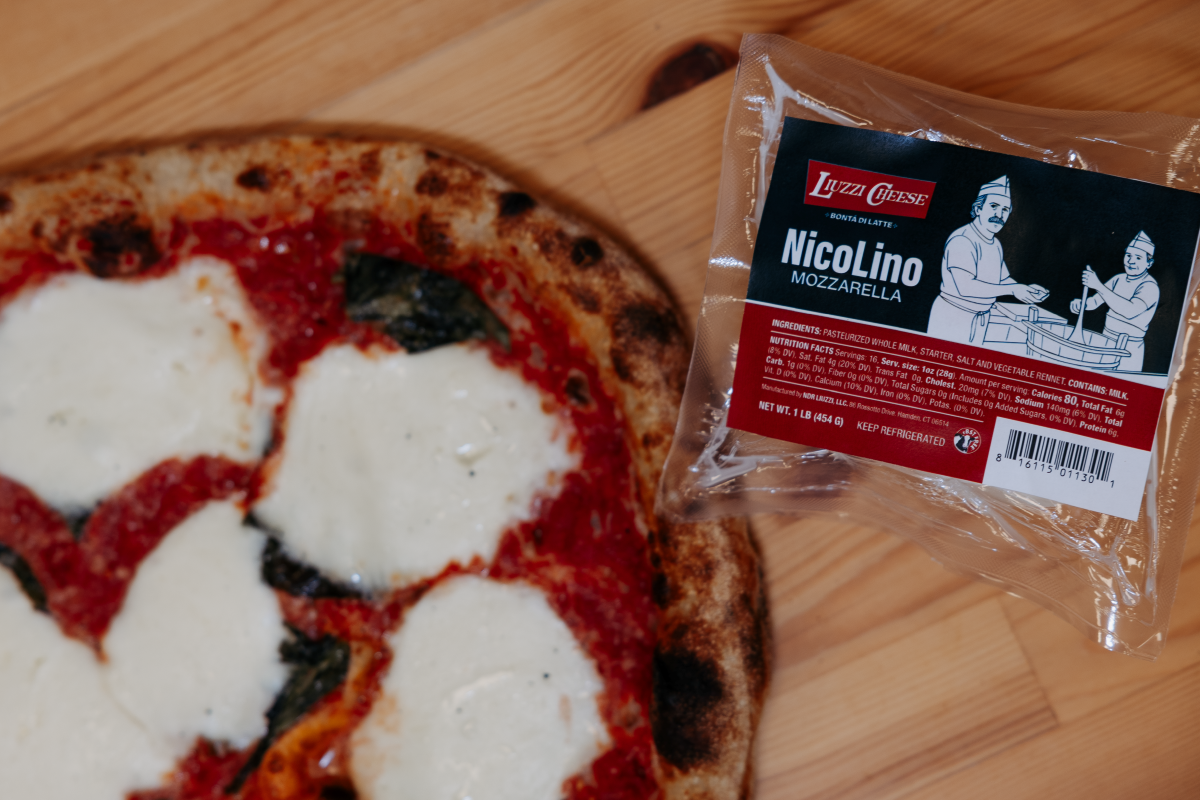
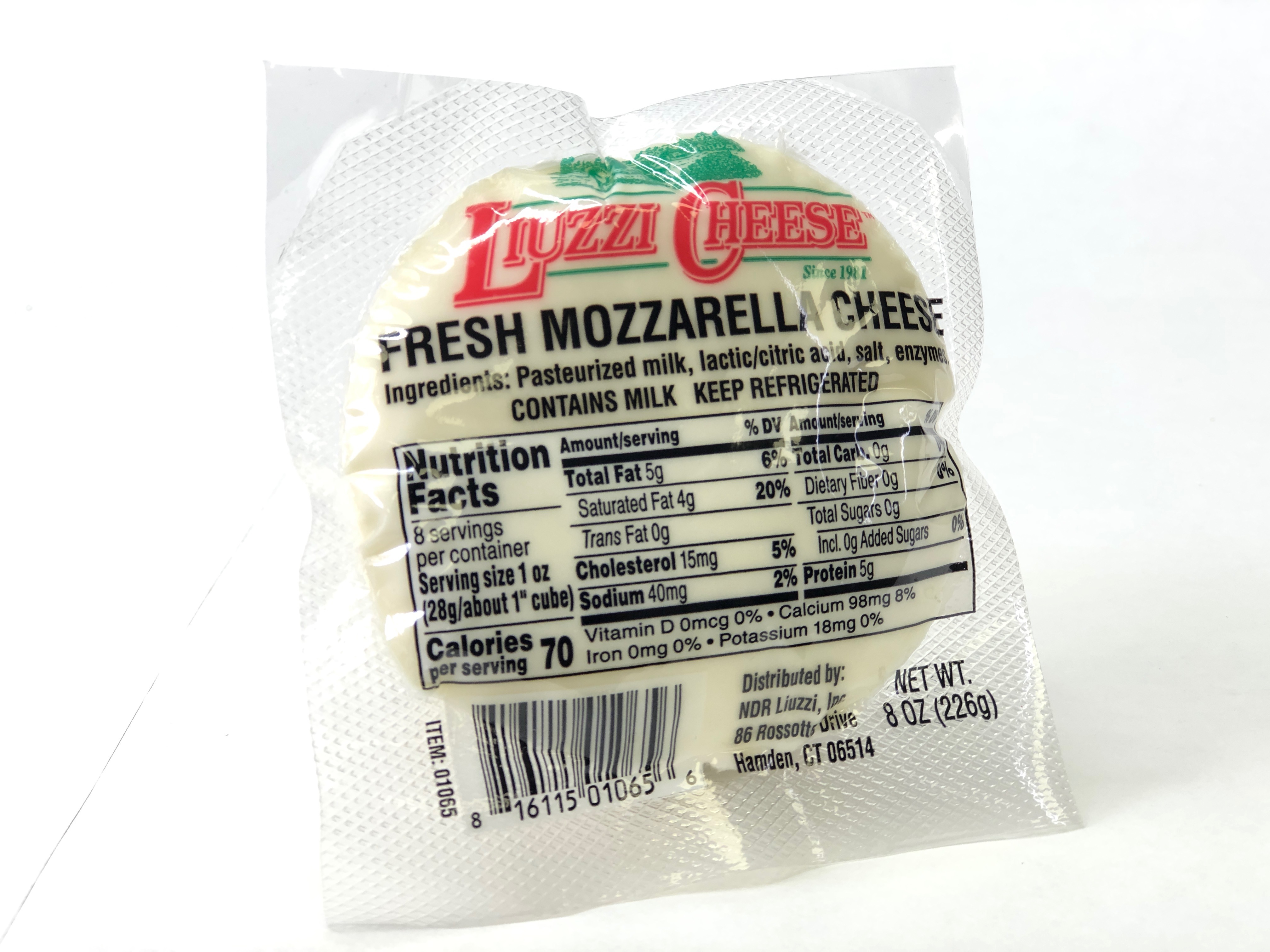
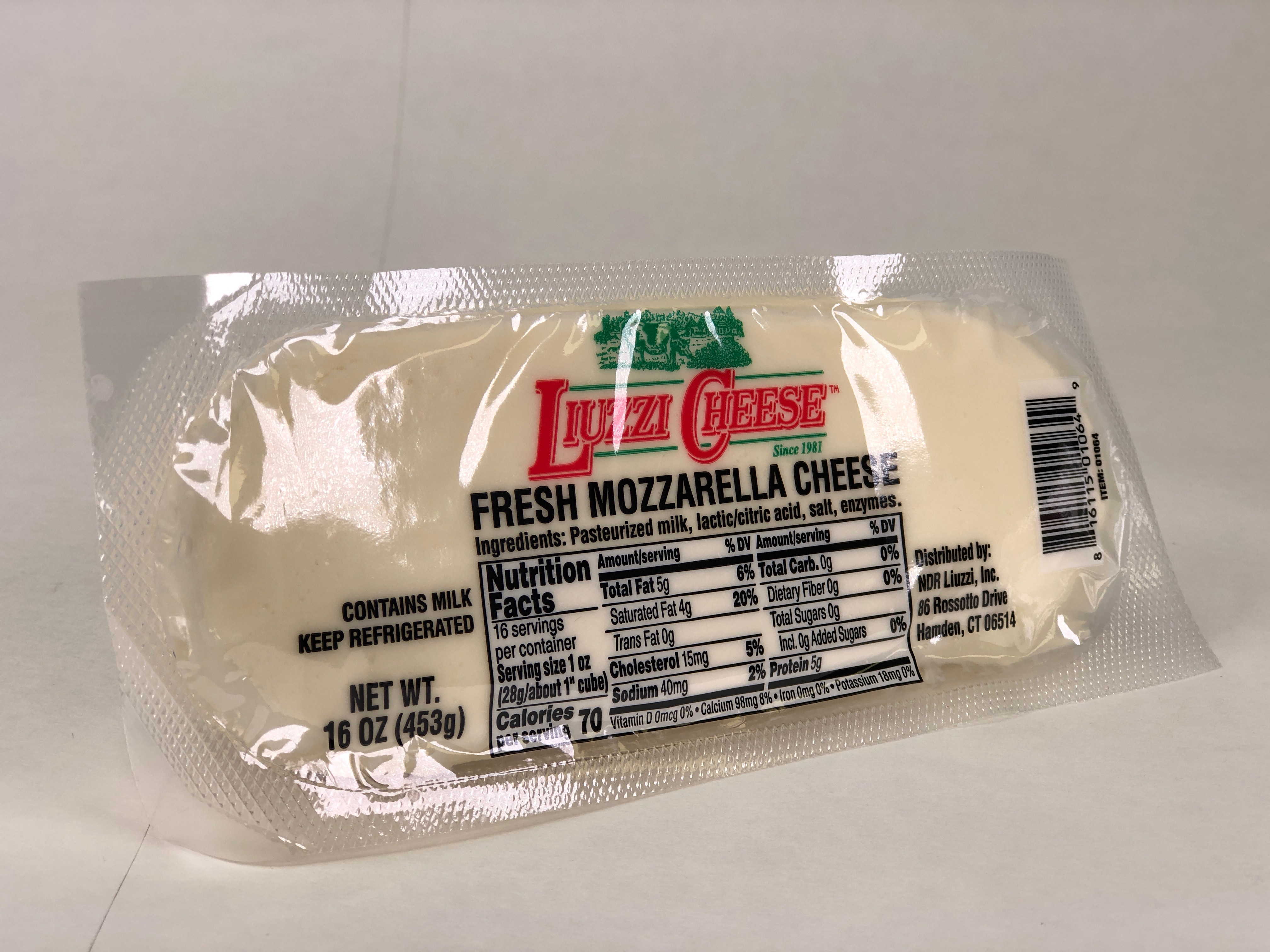
Sealed under vacuum for a longer shelf life than the water-packed formats.
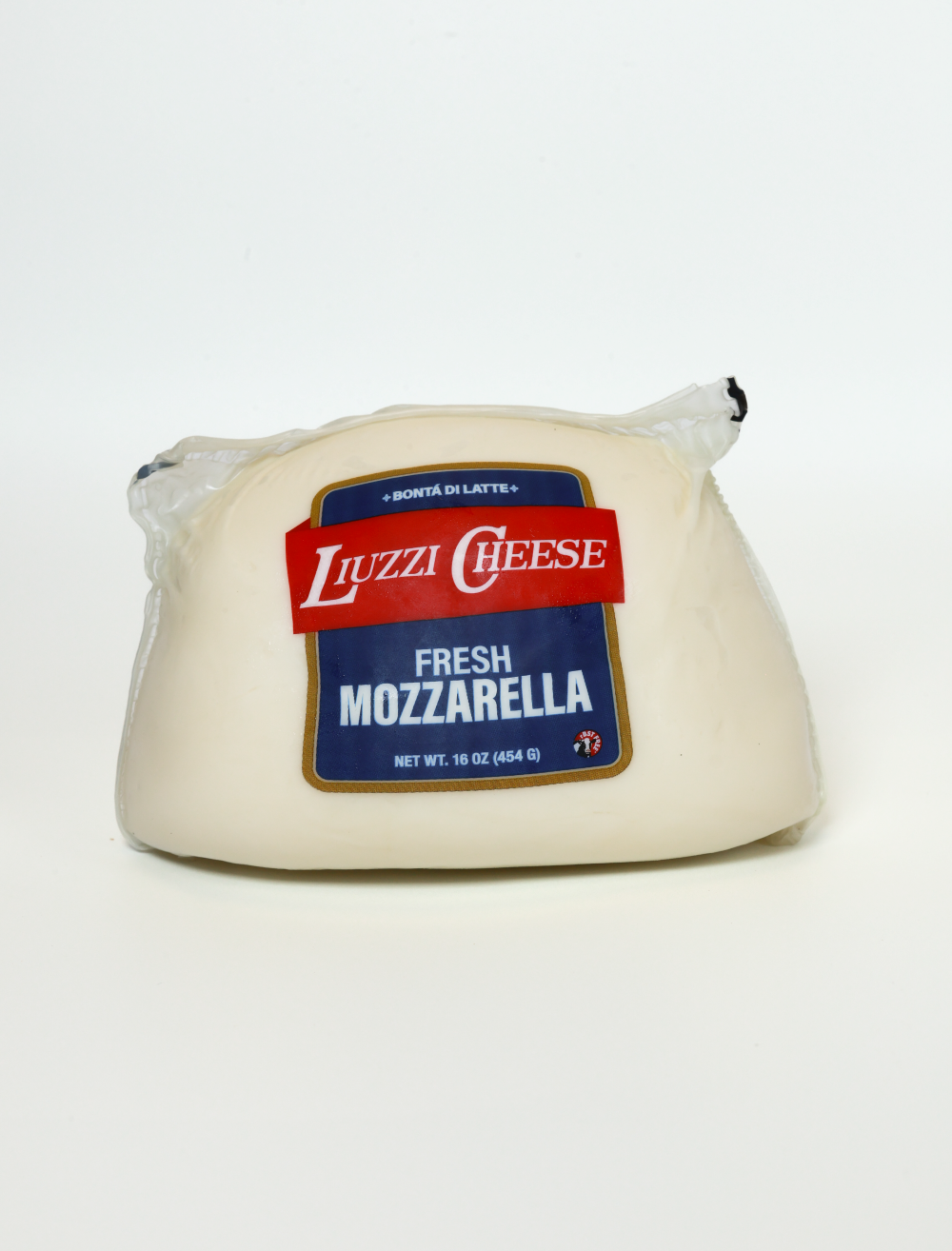
Wrapped by hand instead of packed in water, giving it a drier finish than the bucket or retail versions.
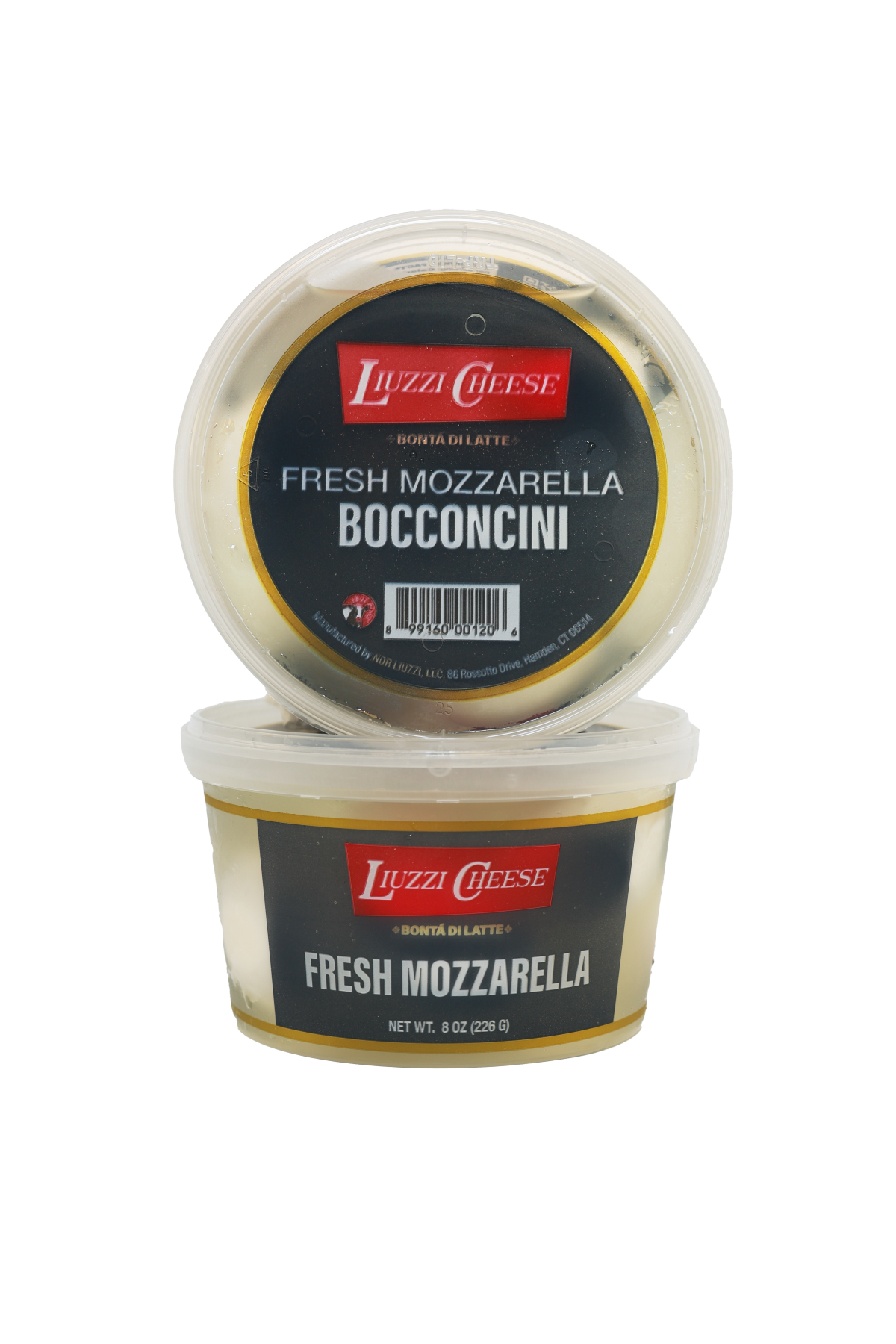
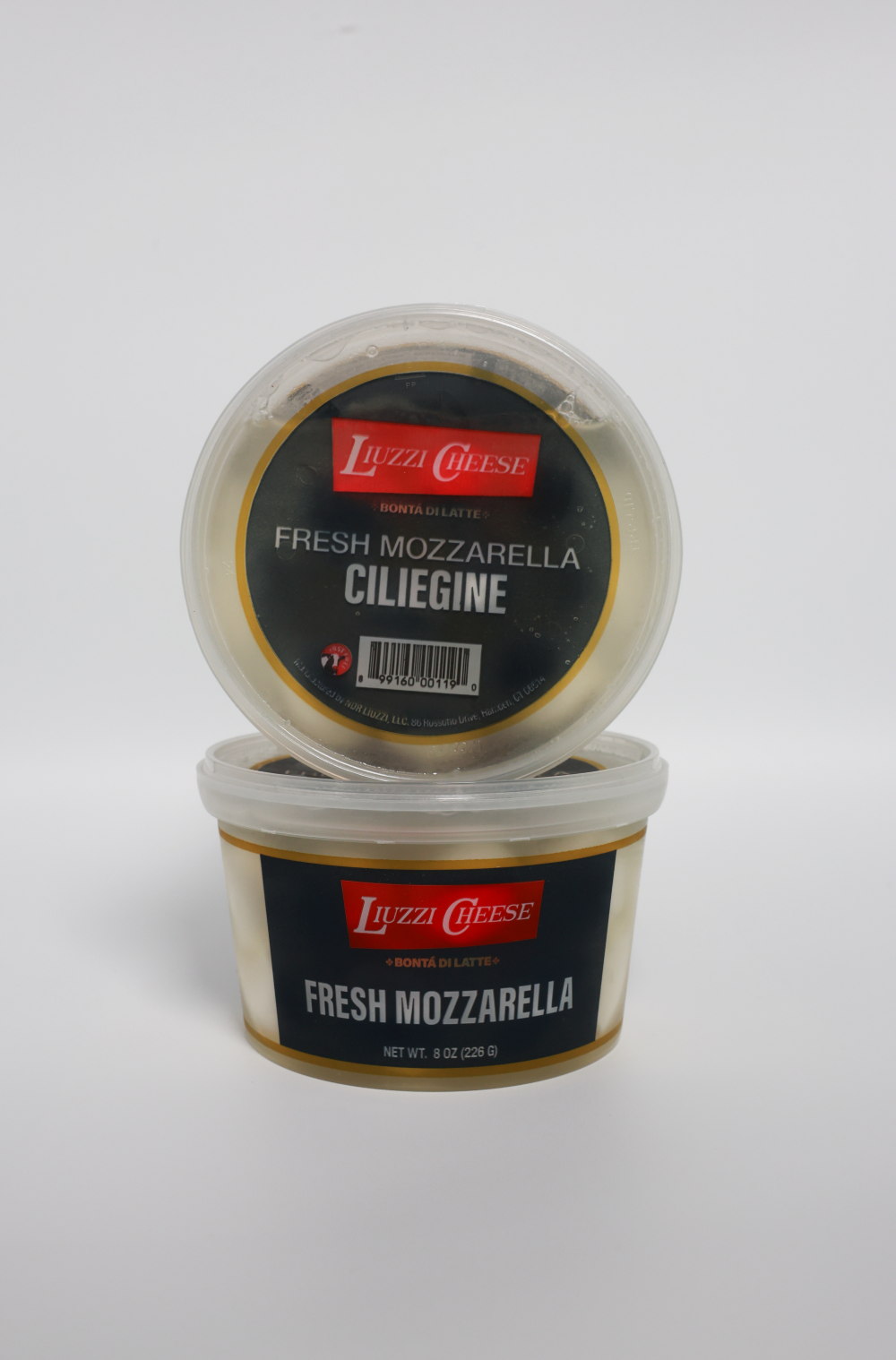
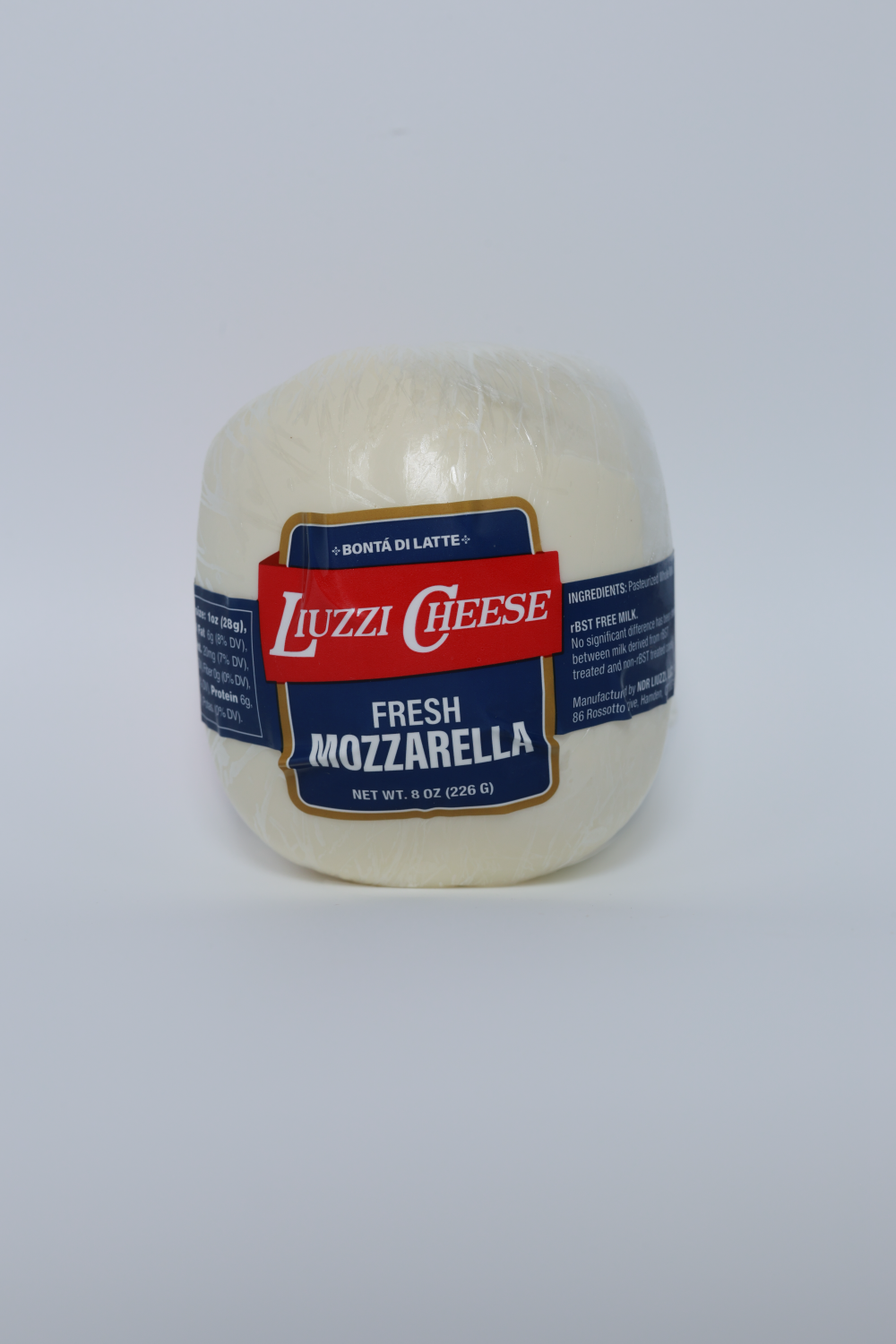
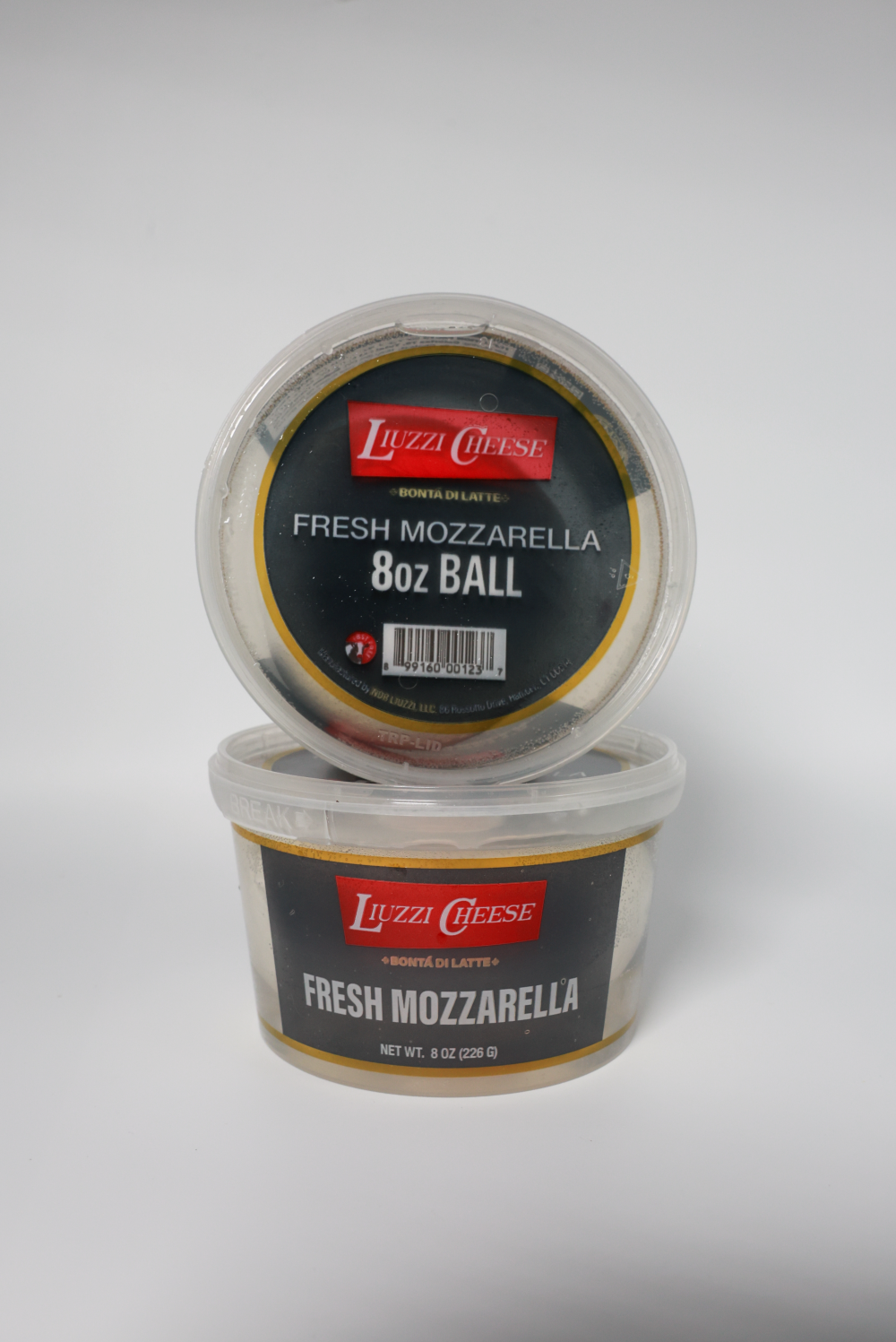
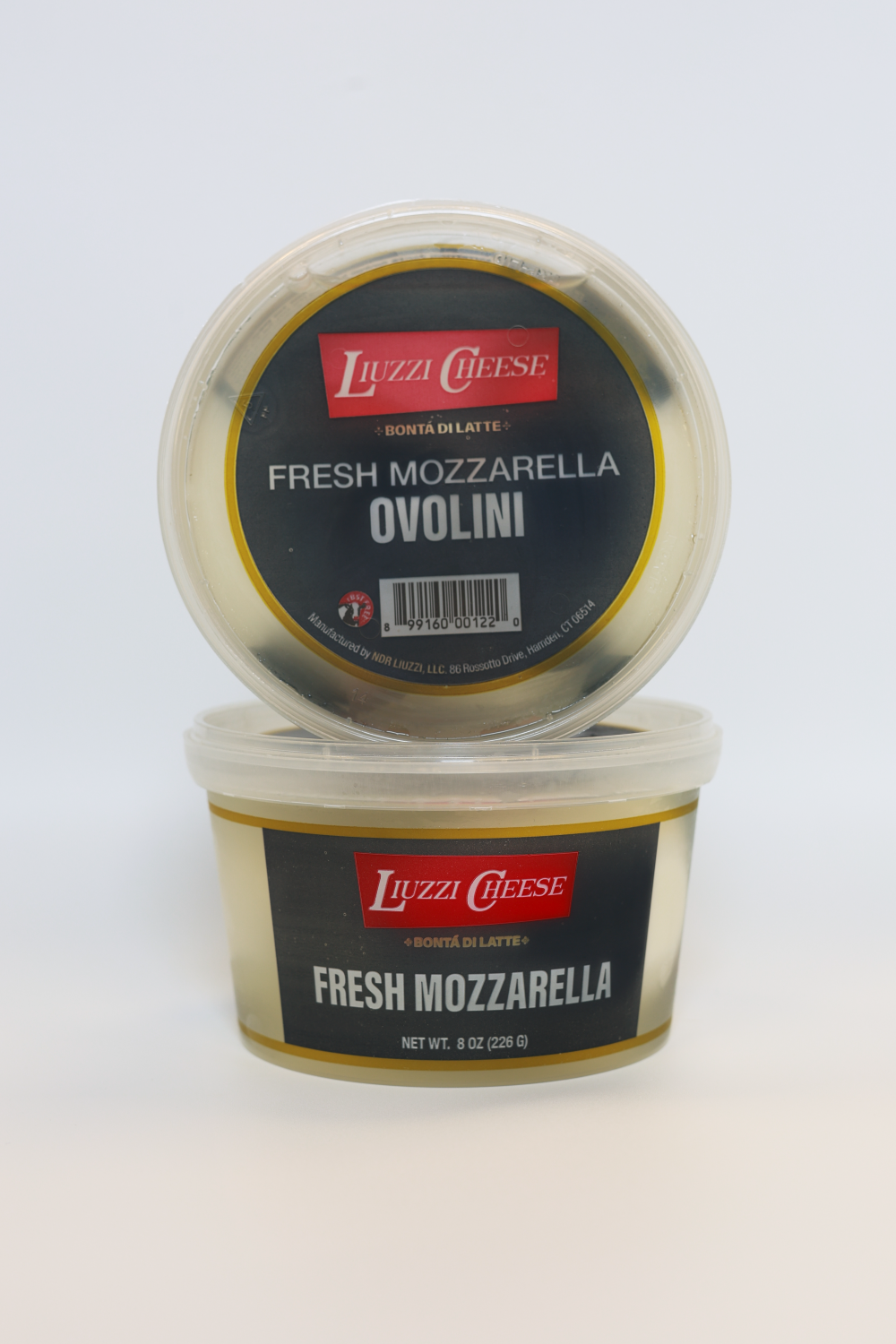
The same fresh mozzarella in water, sized for retail shelves.
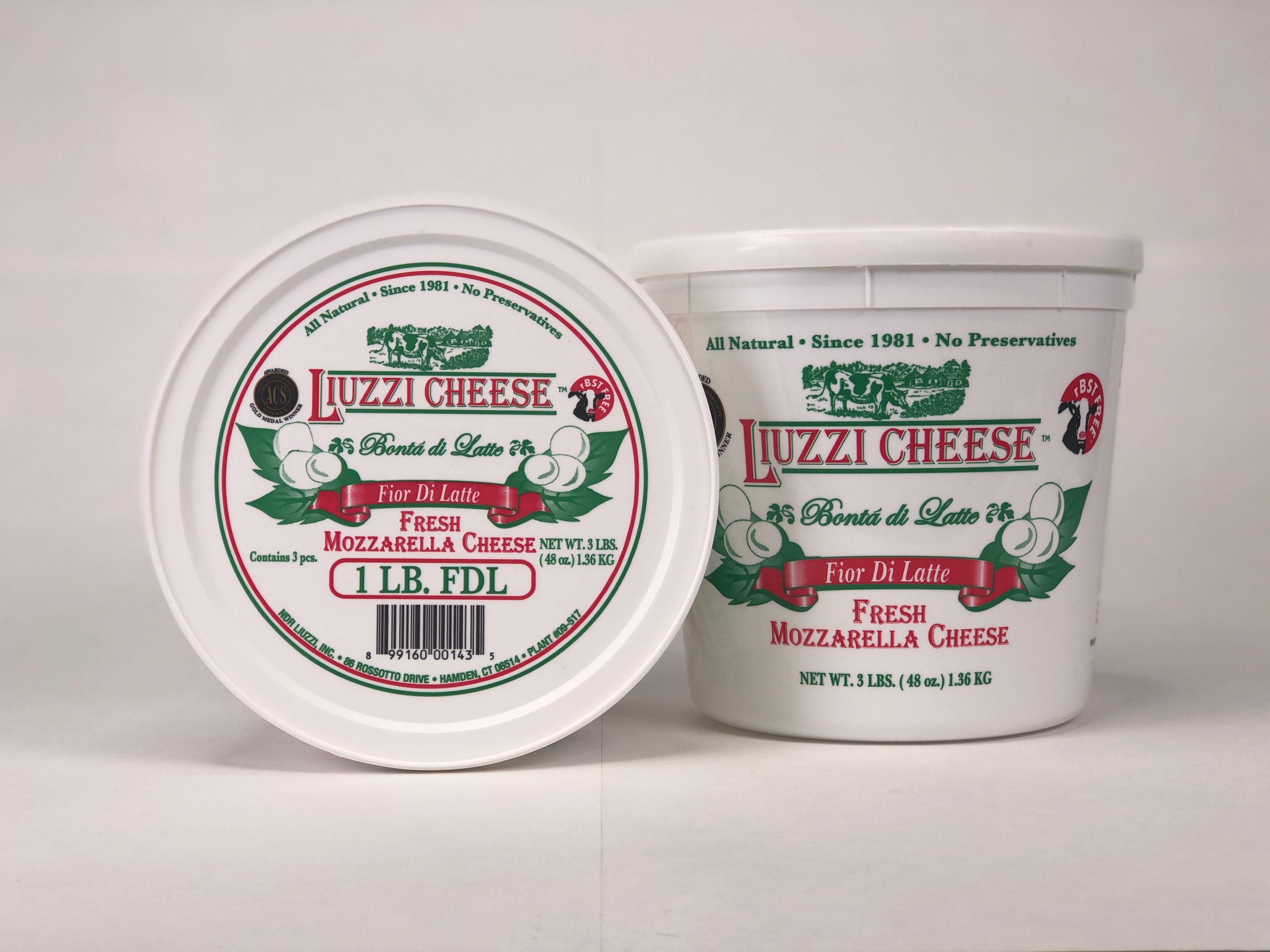
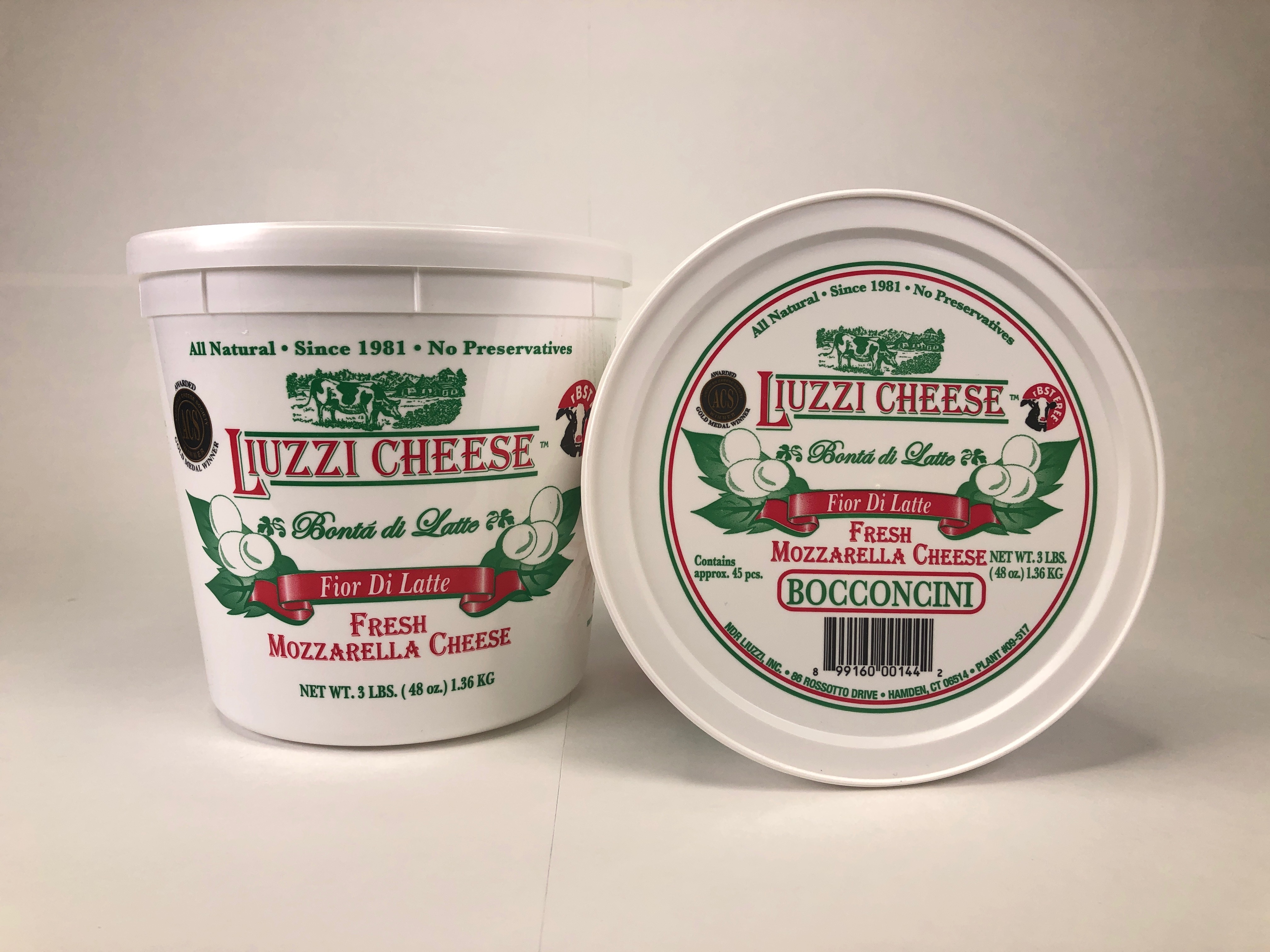
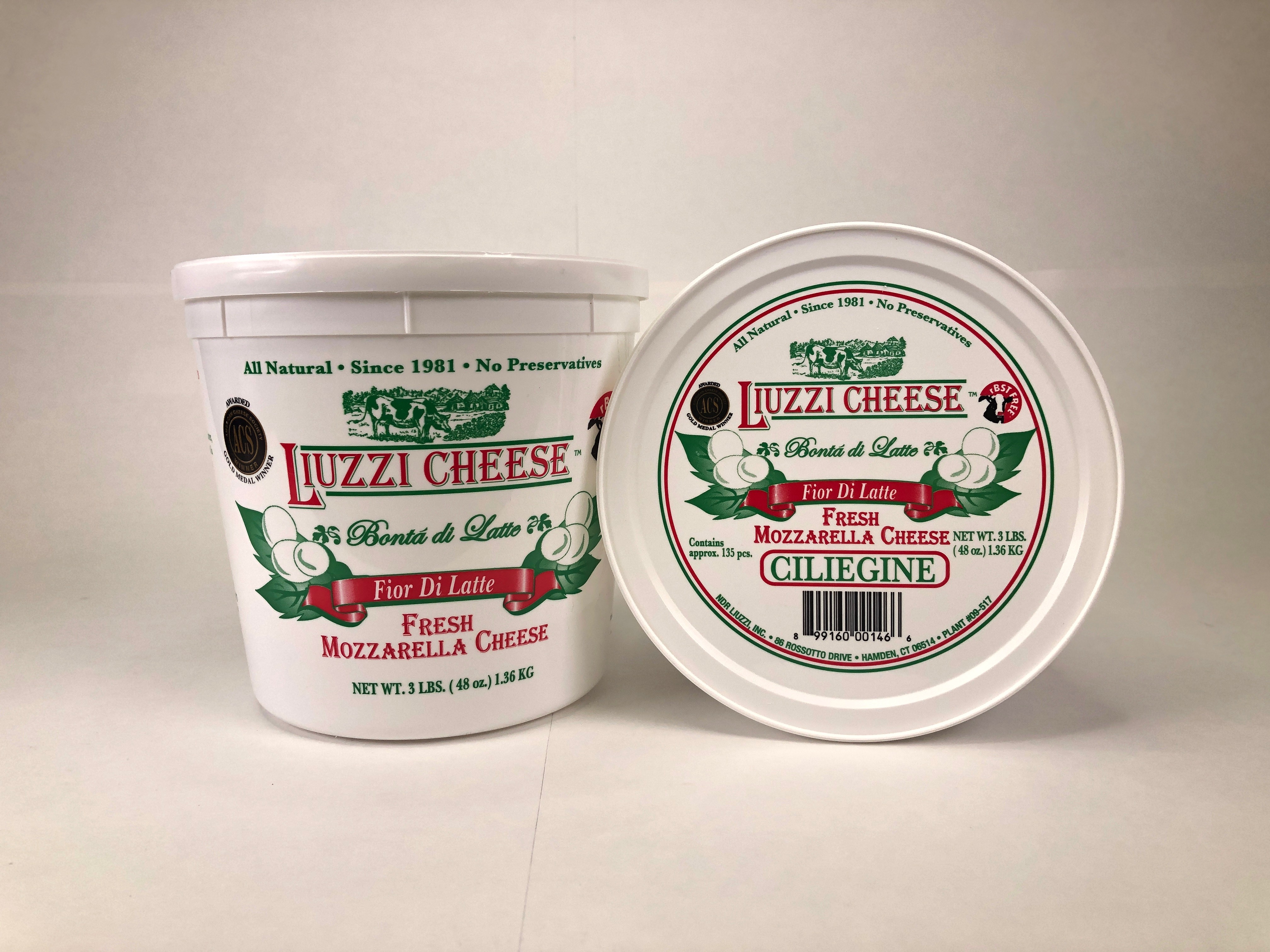
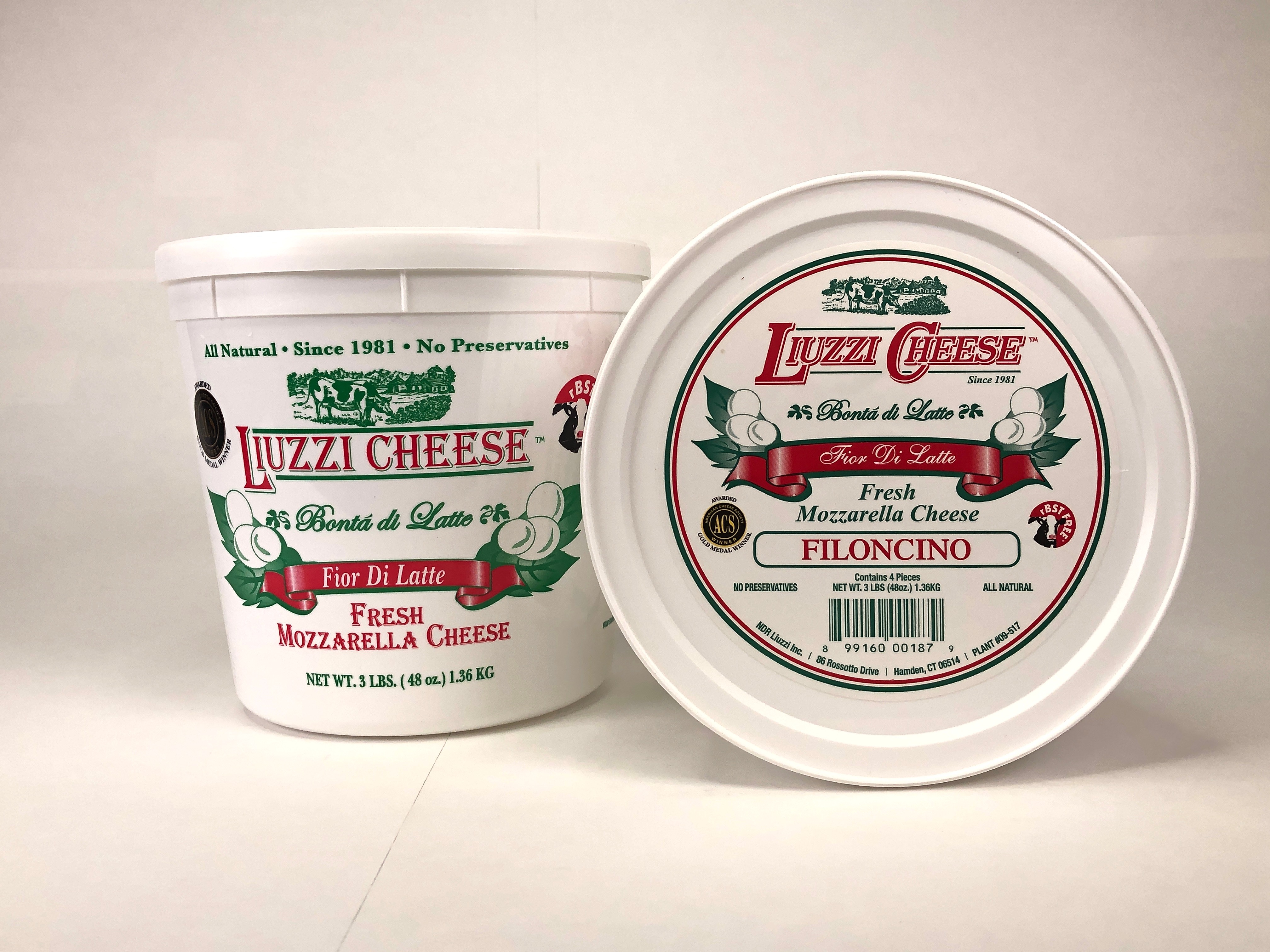
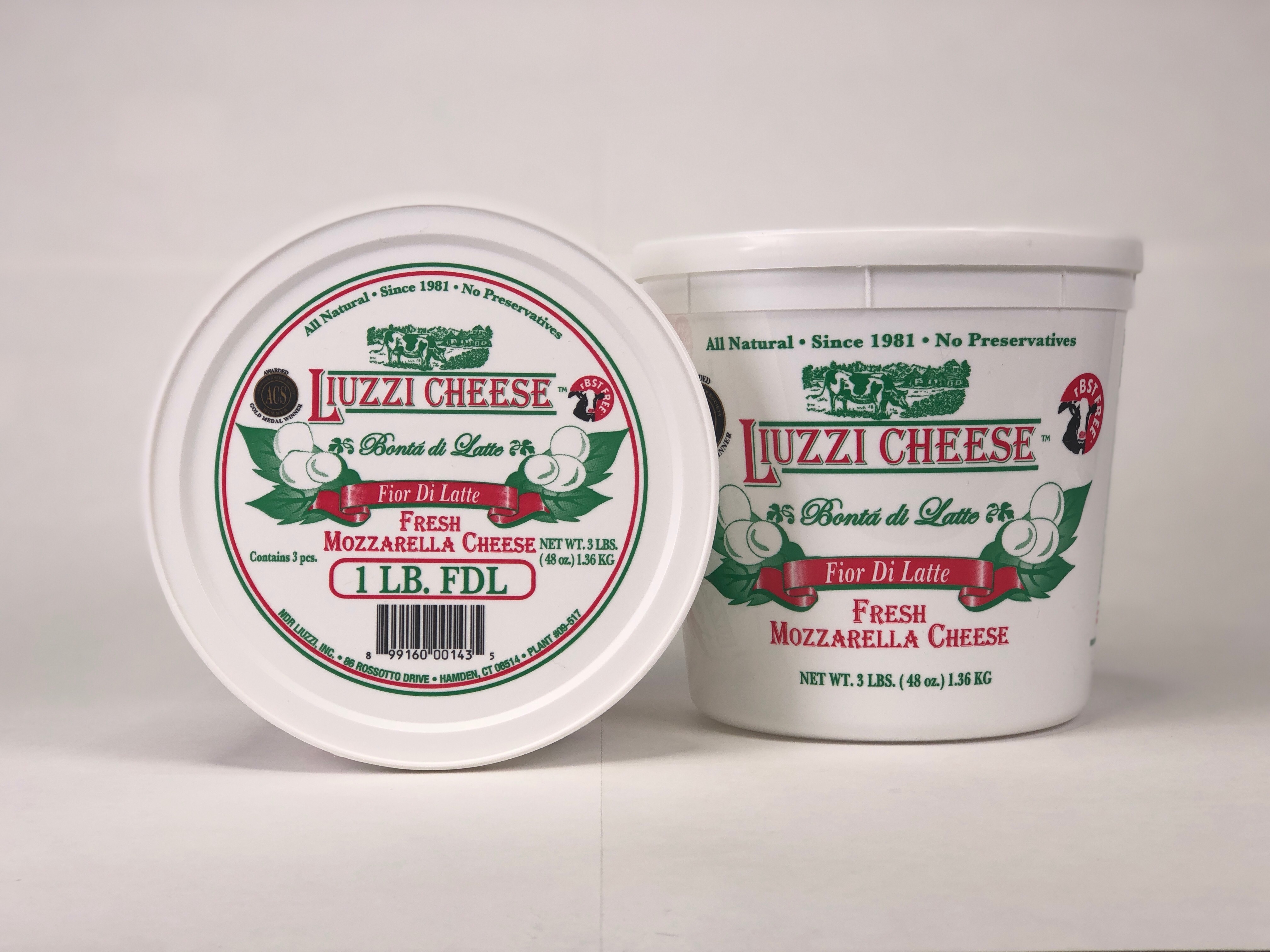
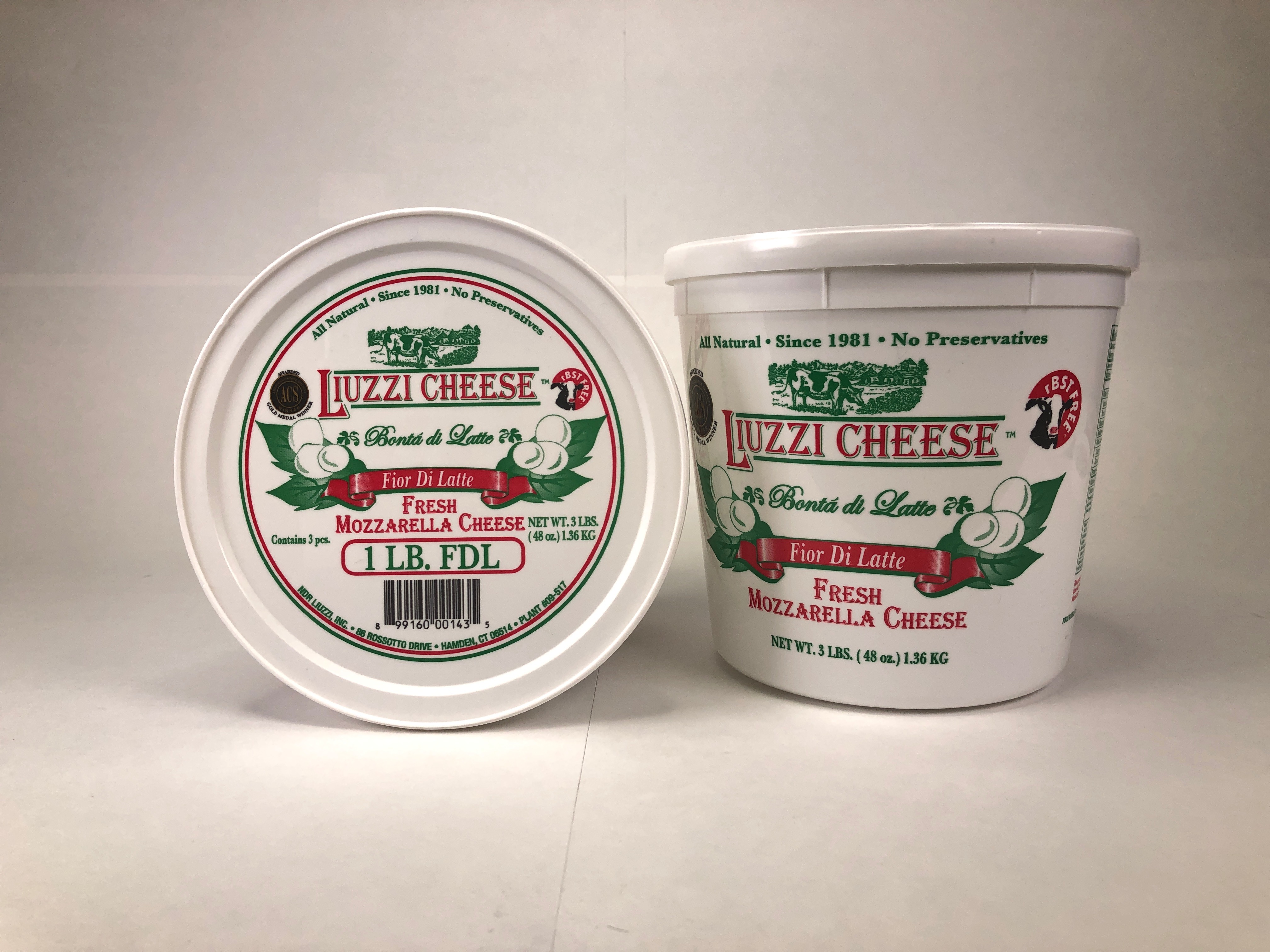
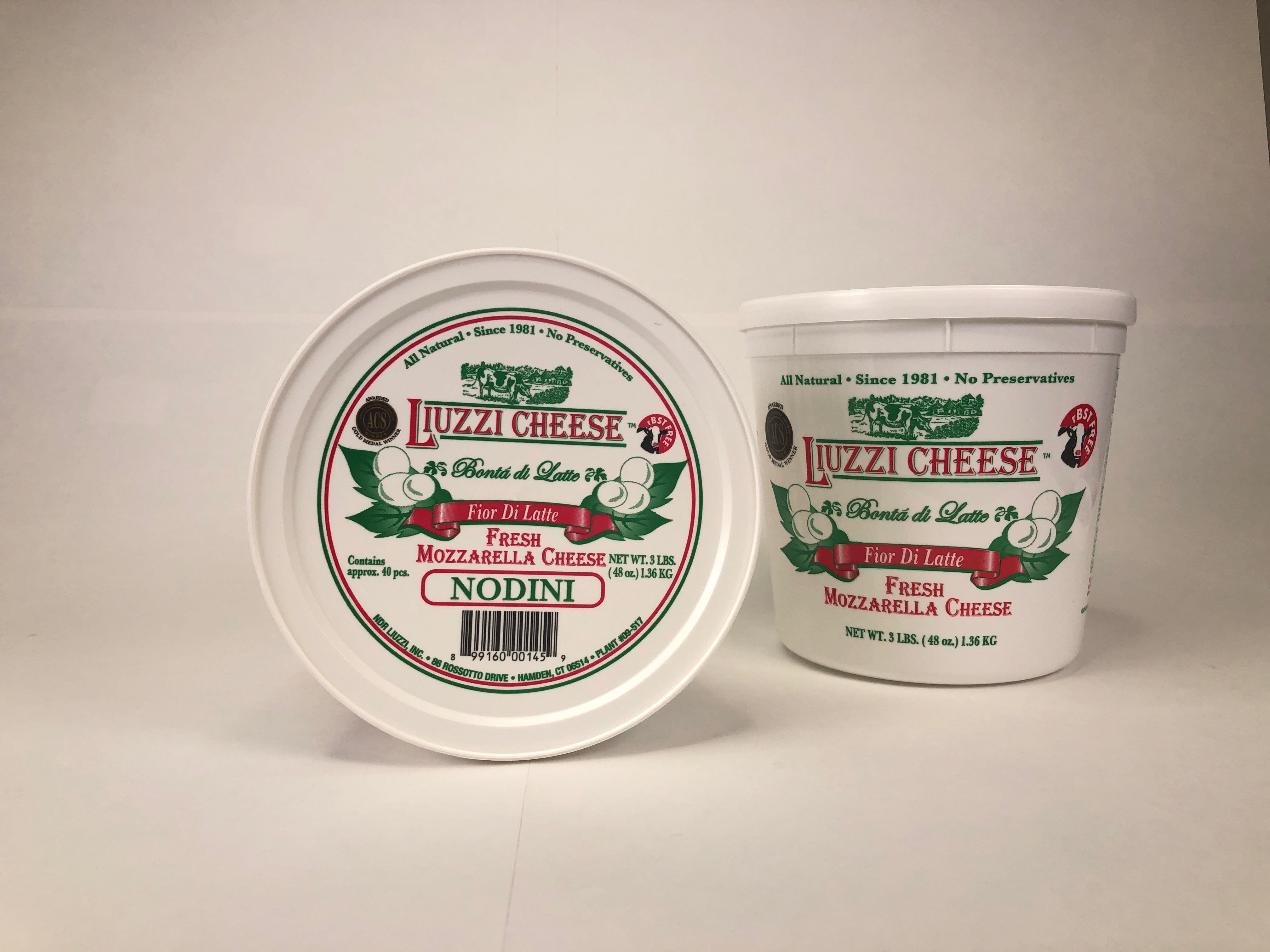
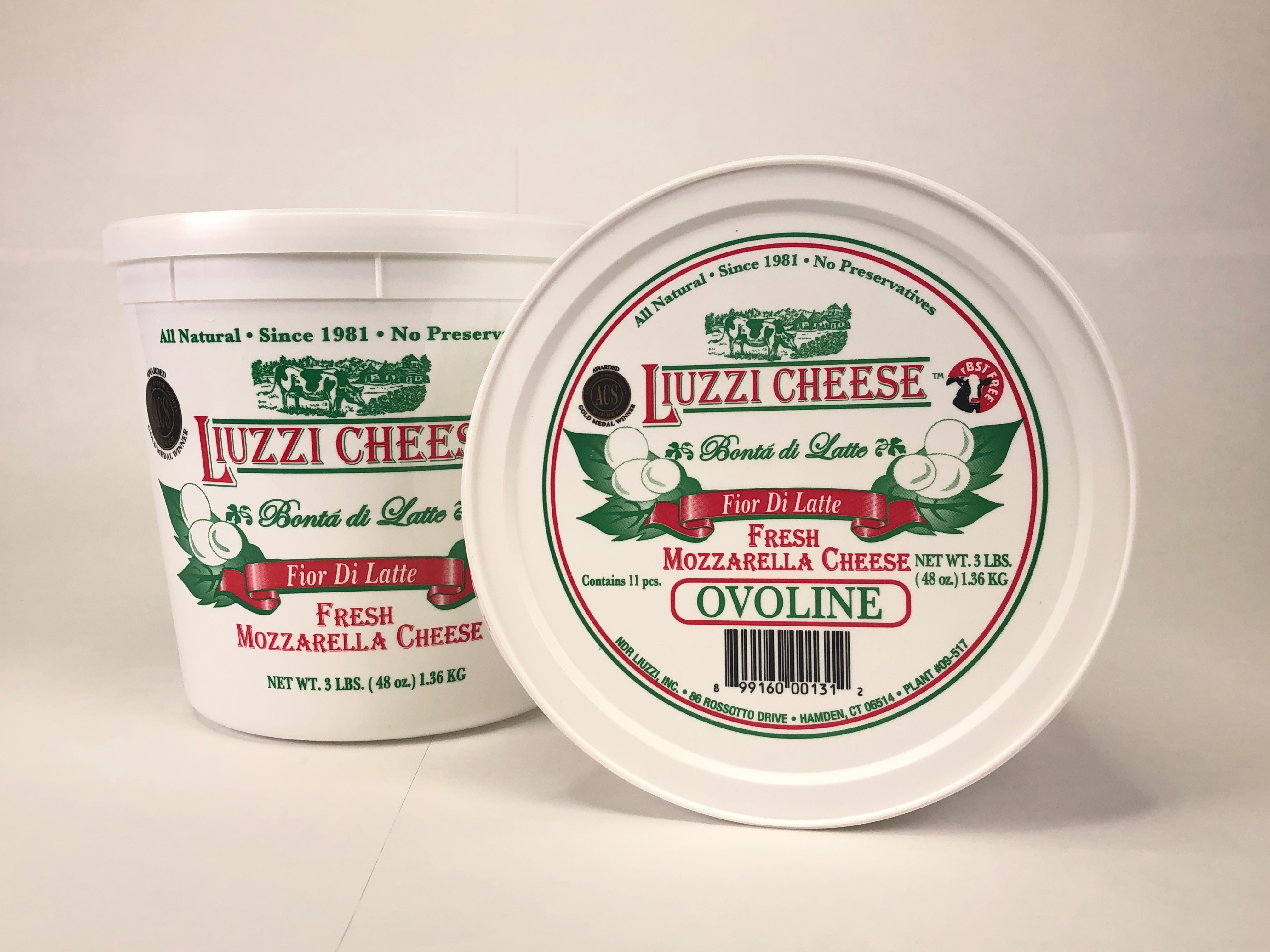
Fresh mozzarella packed in food service containers, held in water to keep it soft and moist — the classic format, best for slicing and serving fresh.

Fifth-generation Italian cheesemakers, crafting fresh mozzarella, ricotta, and burrata in Hamden, Connecticut since 1981.