CONTACT US
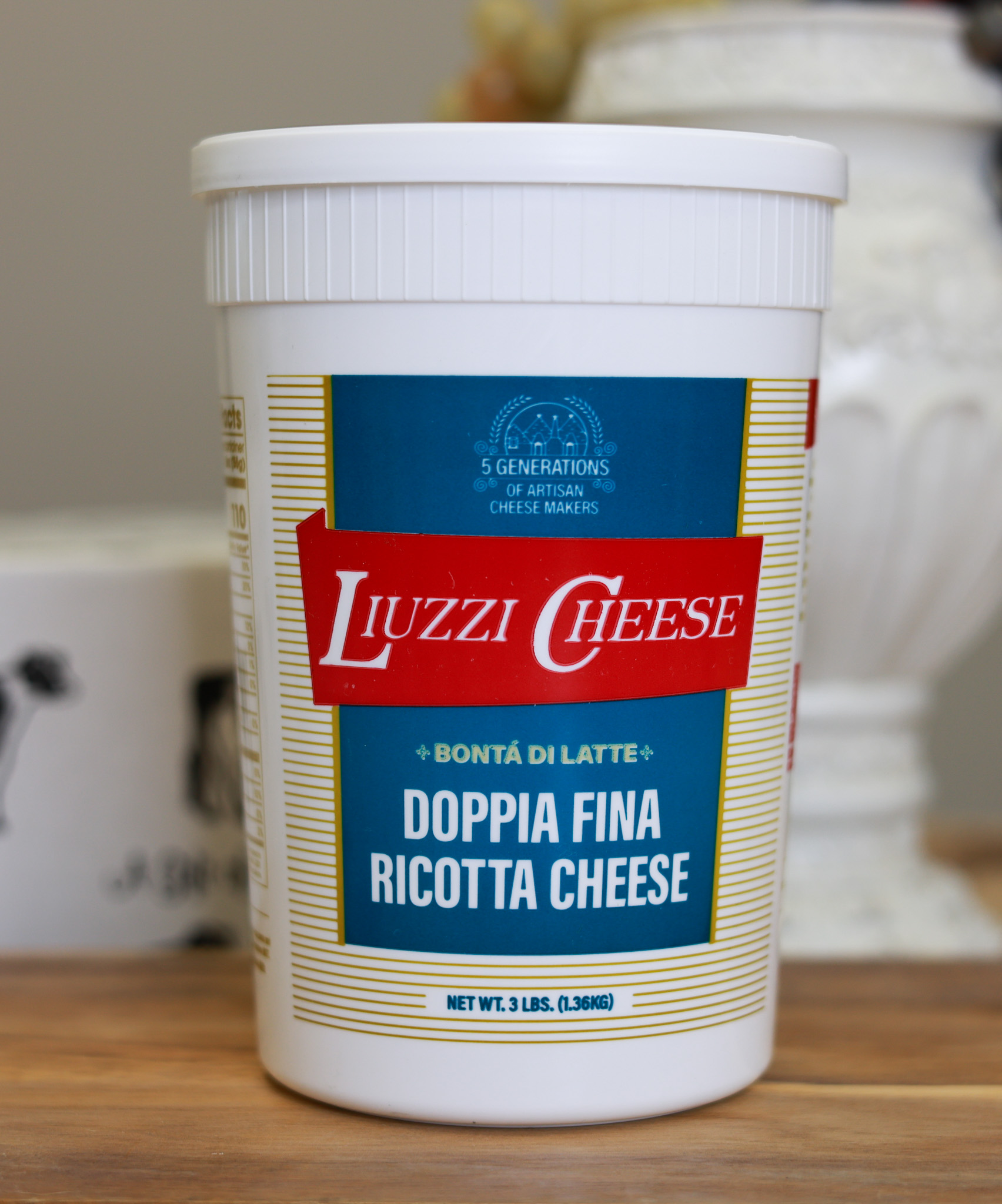
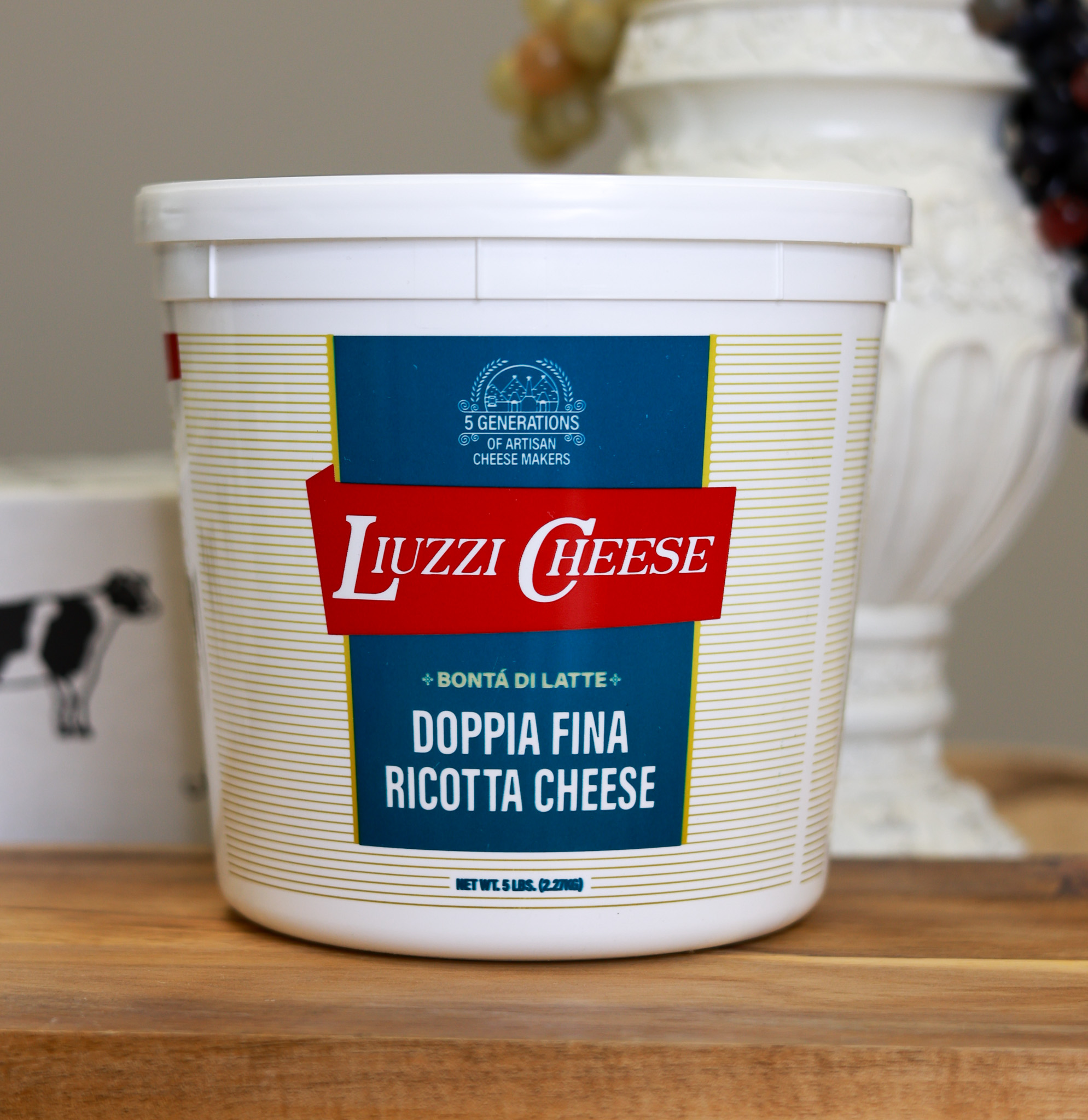
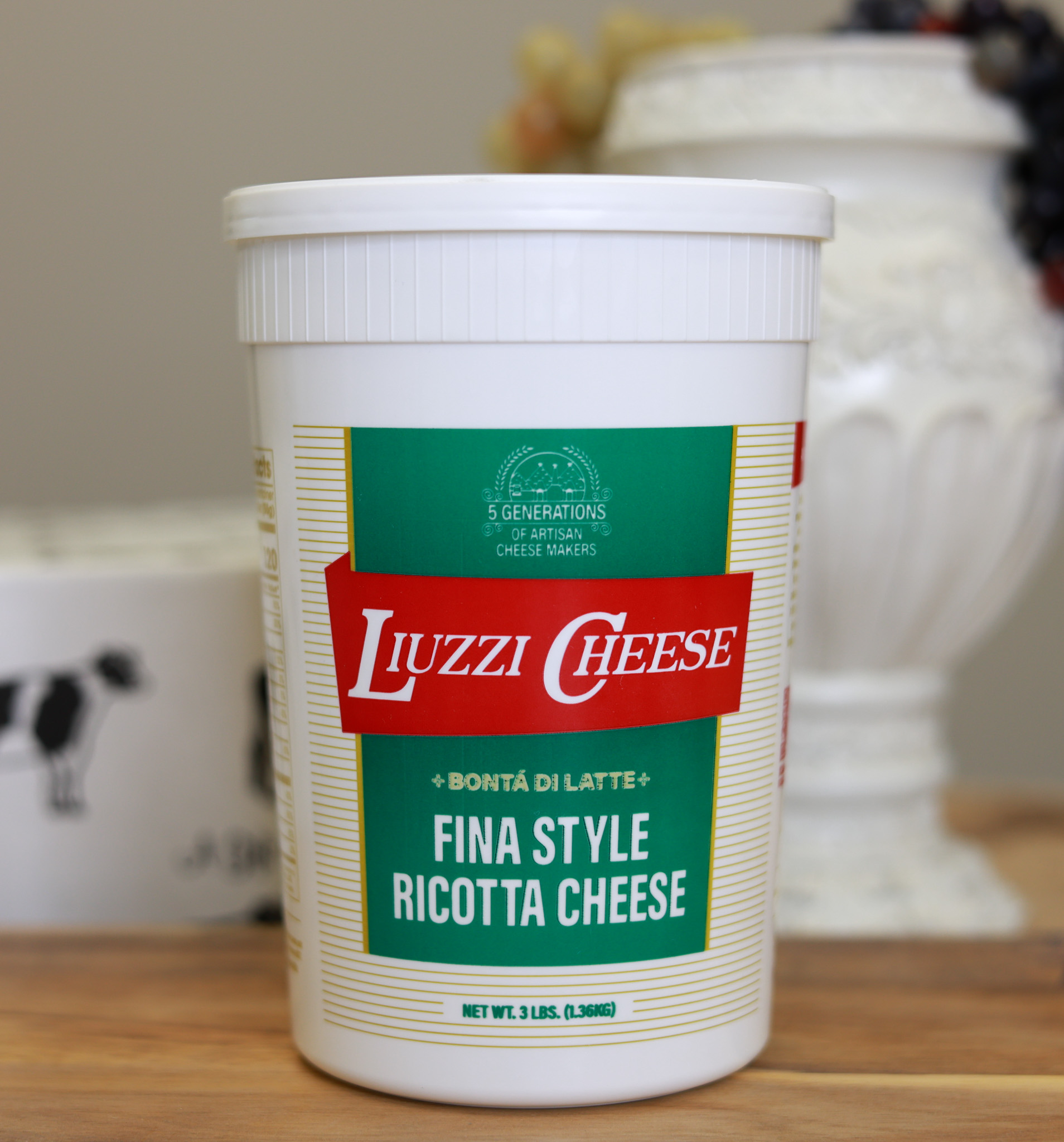
This family covers a range of fresh, unaged cheeses made using slightly different methods. Traditional ricotta is made by gently heating leftover whey (a byproduct of other cheesemaking) until soft curds form and rise to the surface — hence the name, which means "recooked." Our higher-quality ricotta varieties, however, are made using a richer, curd-based process rather than whey alone, resulting in a creamier, denser final product.
Basket cheese gets its name and shape from the traditional baskets used to drain and mold fresh curd, giving it a distinctive woven texture on the outside. Curd itself is the most basic form — fresh, unaged, and mild, often used as a building block for other cheeses or eaten on its own.
Ricotta ranges from light and slightly grainy to rich and velvety smooth, depending on the style, with a mild, milky sweetness. Basket cheese is firmer and more elastic, with a clean, slightly tangy flavor. Curd is mild and fresh, with a soft, squeaky bite.
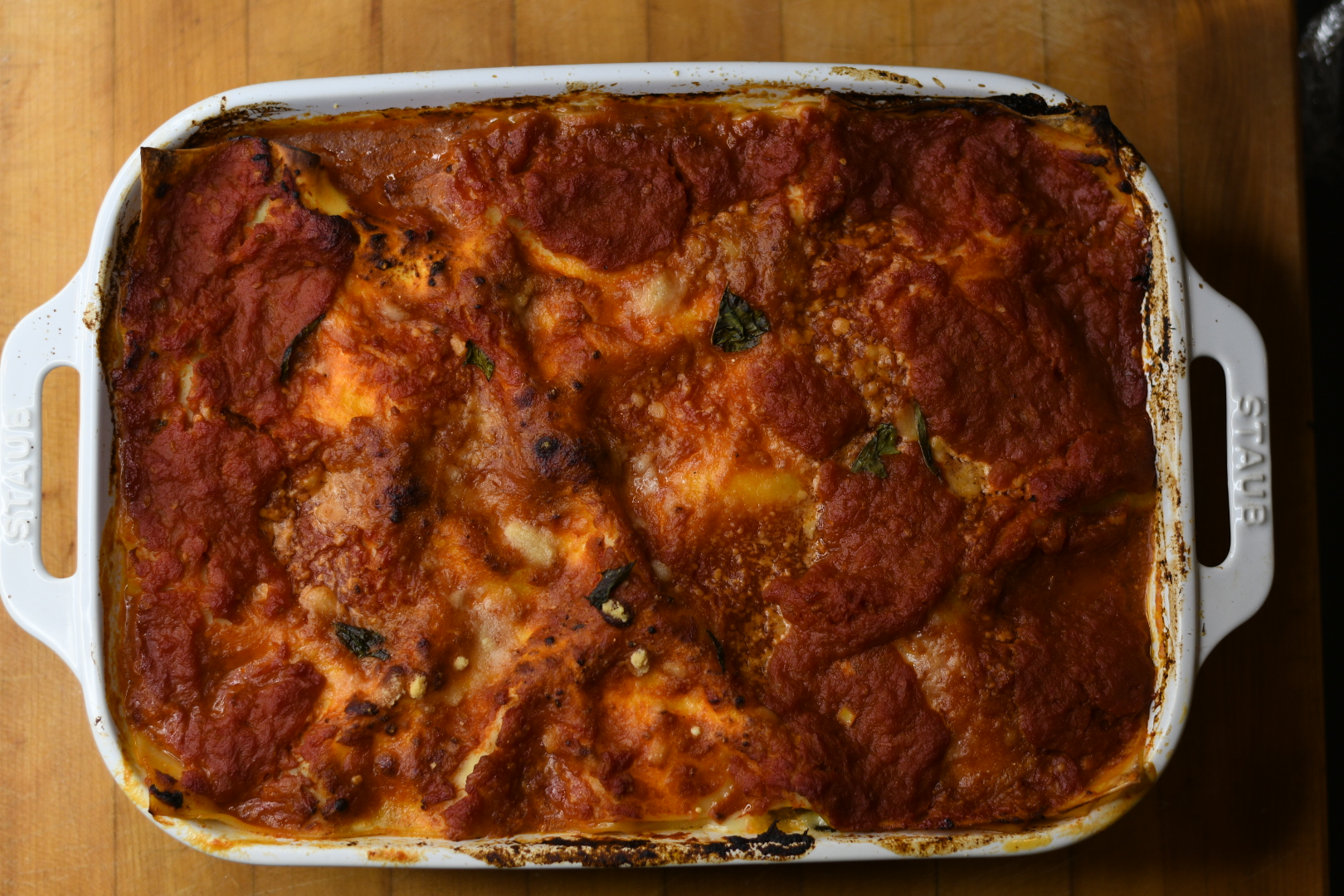
Ricotta is at home both sweet and savory — spread on toast with honey, layered into lasagna, or piped into pastries. Basket cheese slices cleanly and holds its shape, making it good for the table or for frying. Fresh curd is best enjoyed simply, perhaps lightly salted, to appreciate its clean flavor.
Ricotta loves honey, fig, and good crusty bread, as well as fresh herbs and lemon zest for a savory take. Basket cheese pairs well with cured meats and olives. A light, fruity white wine — like a Falanghina — complements the family's fresh, milky character.
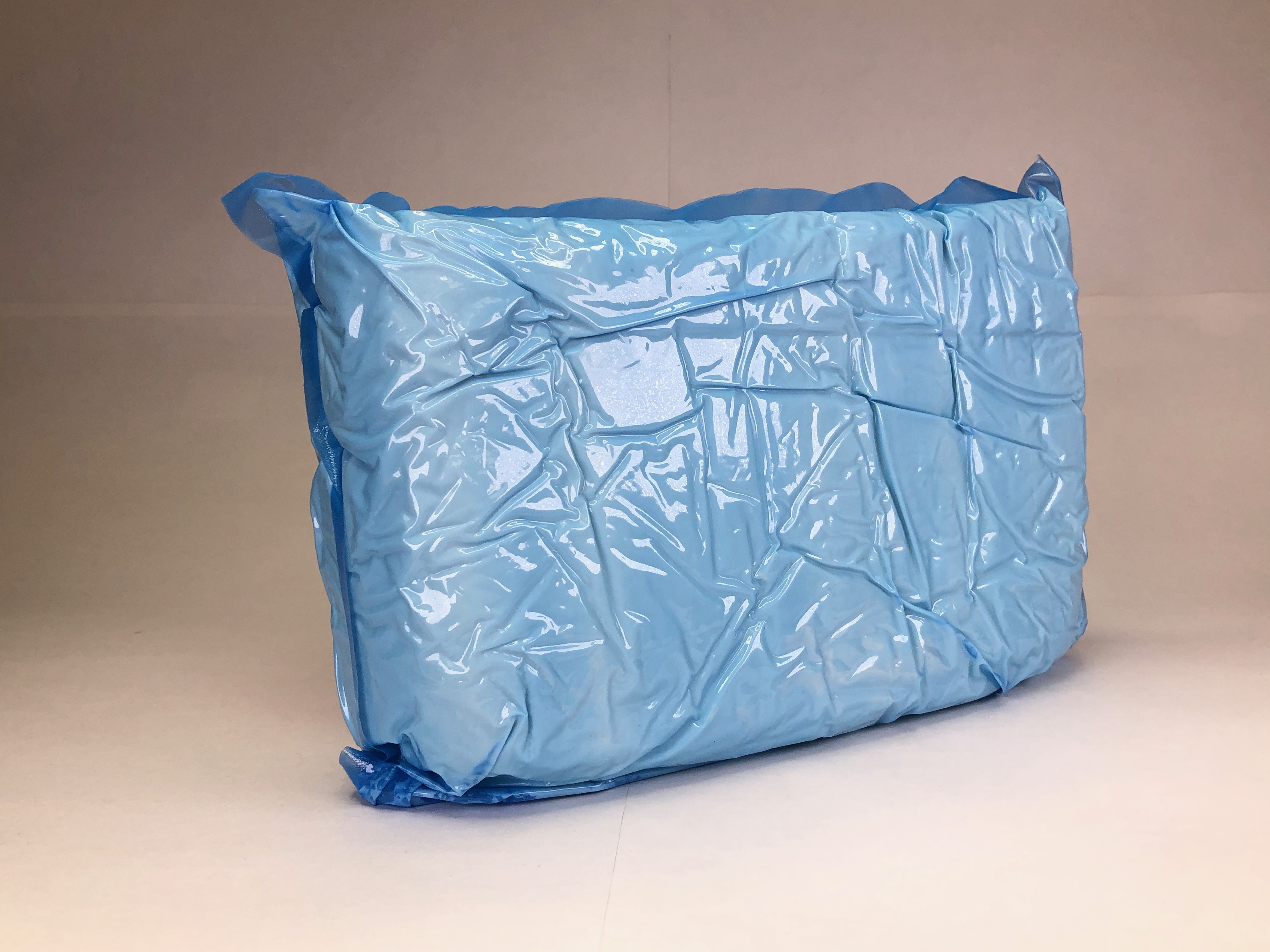
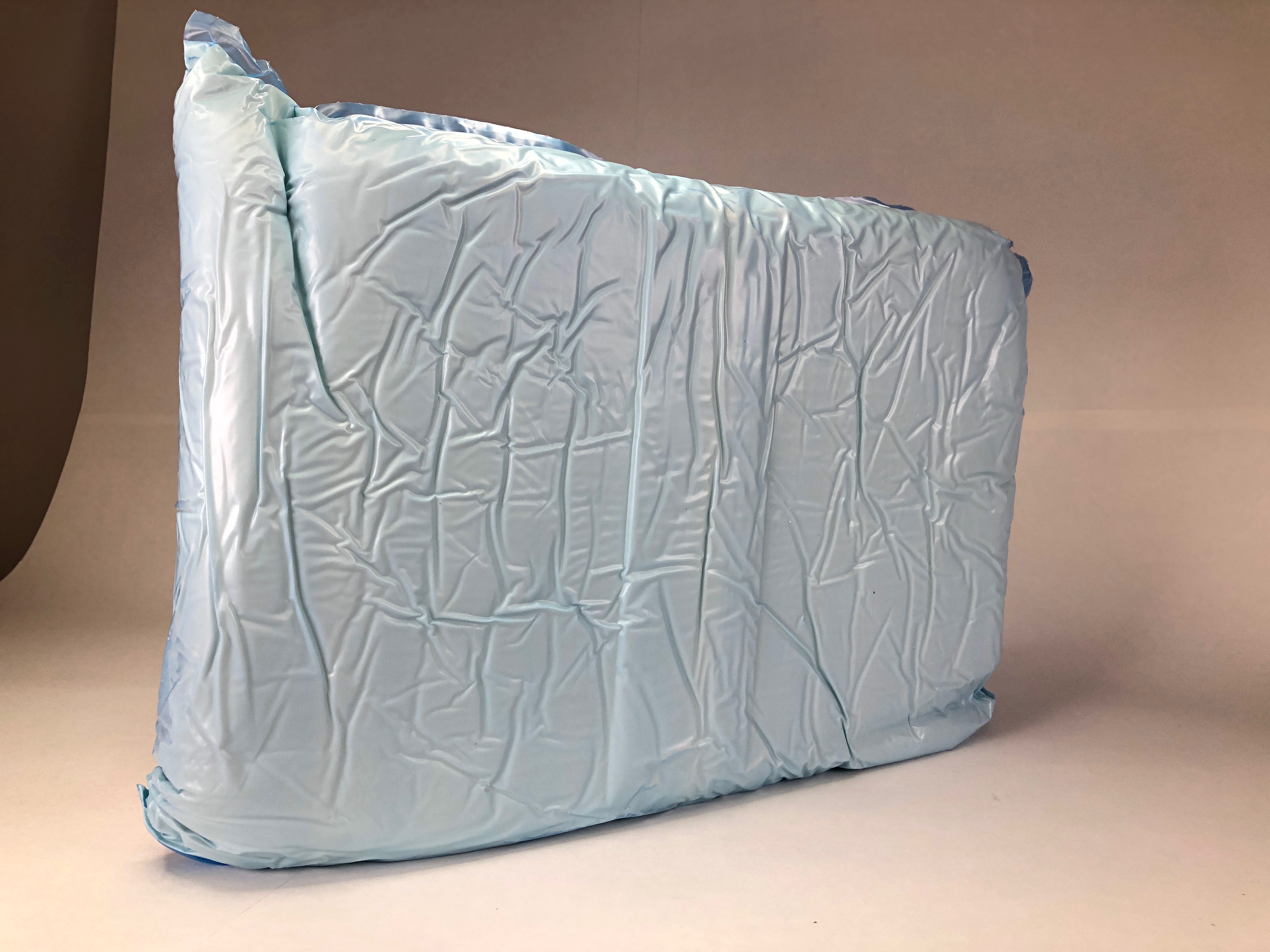
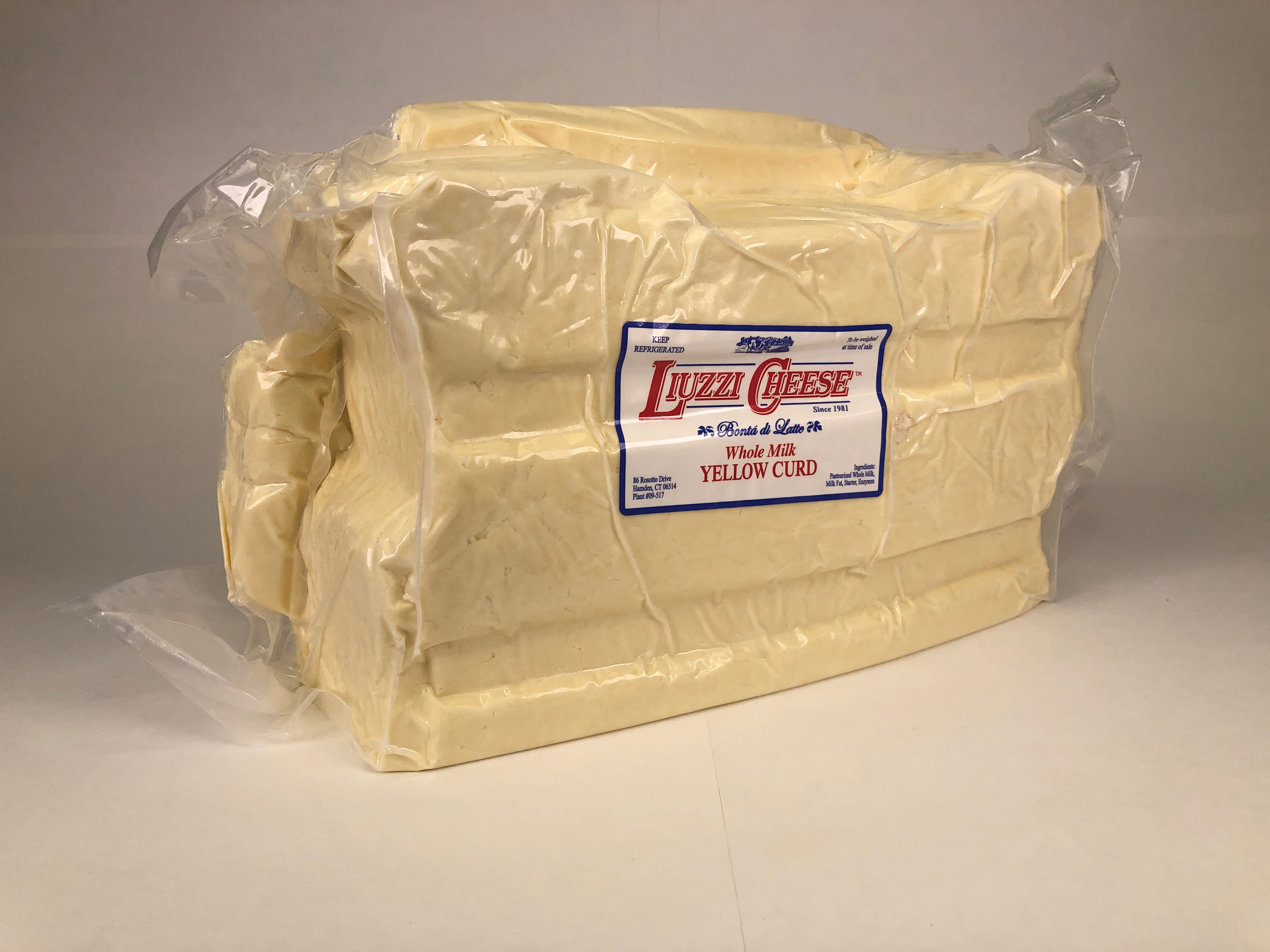
A firmer pasta filata curd with a yellowish tone from added annatto color, purpose-built for shaping into scamorza rather than fresh mozzarella. Slightly leaner than the mozzarella curds, with the added firmness scamorza needs to hold its shape.
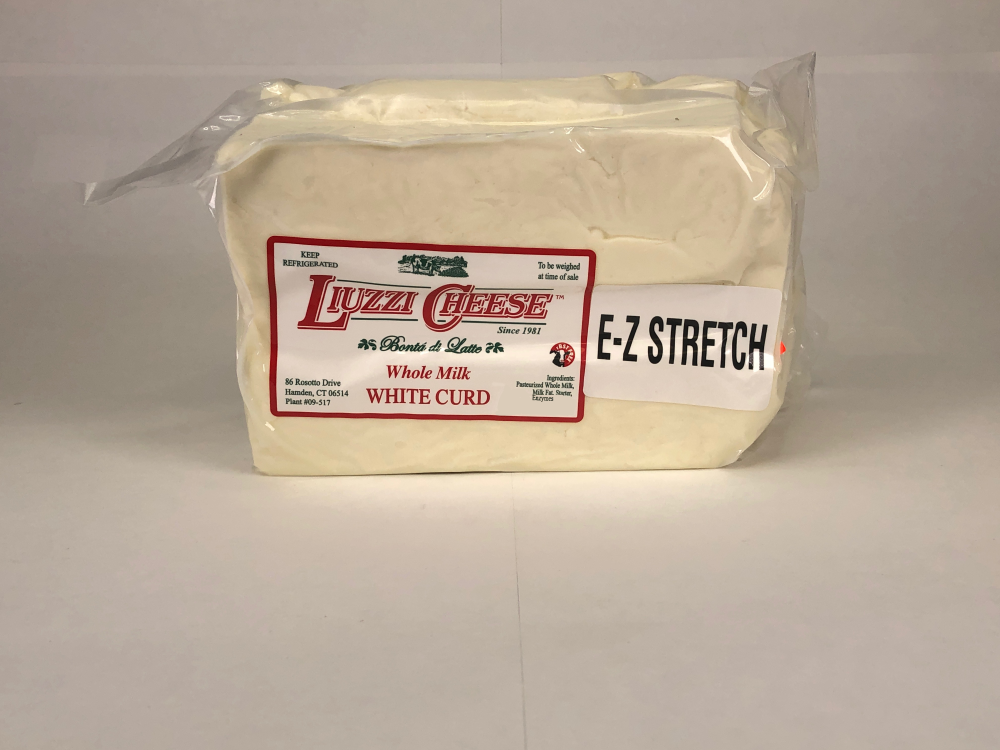
The same fresh mozzarella base as White Curd, but formulated for easy hand stretching instead of mechanical — built for producers shaping mozzarella by hand rather than by machine.
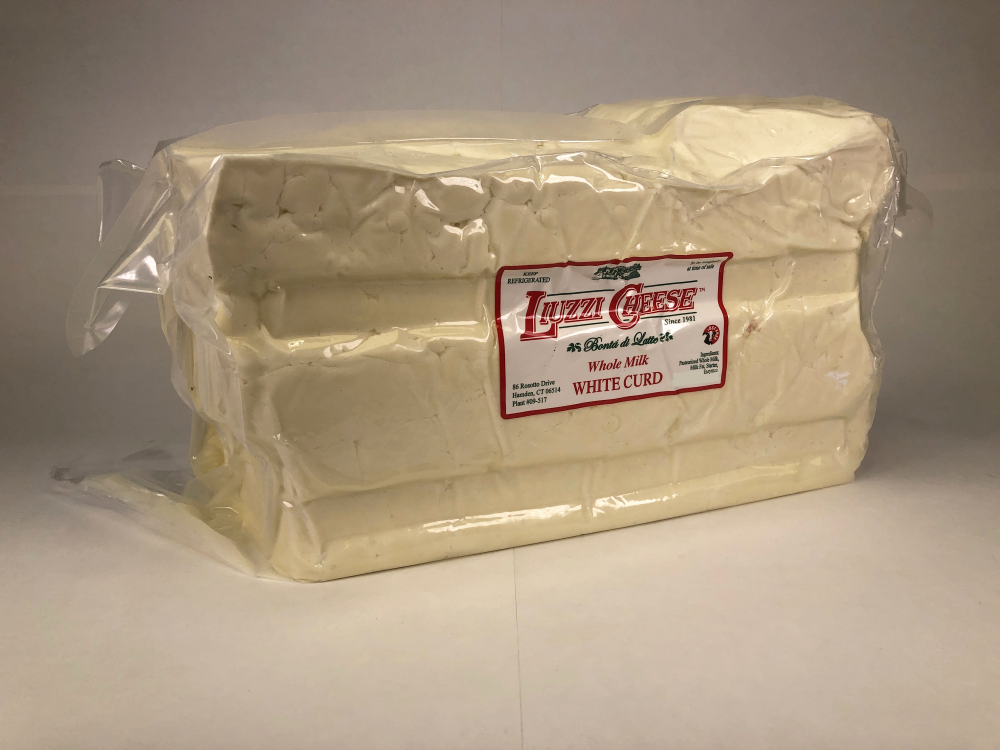
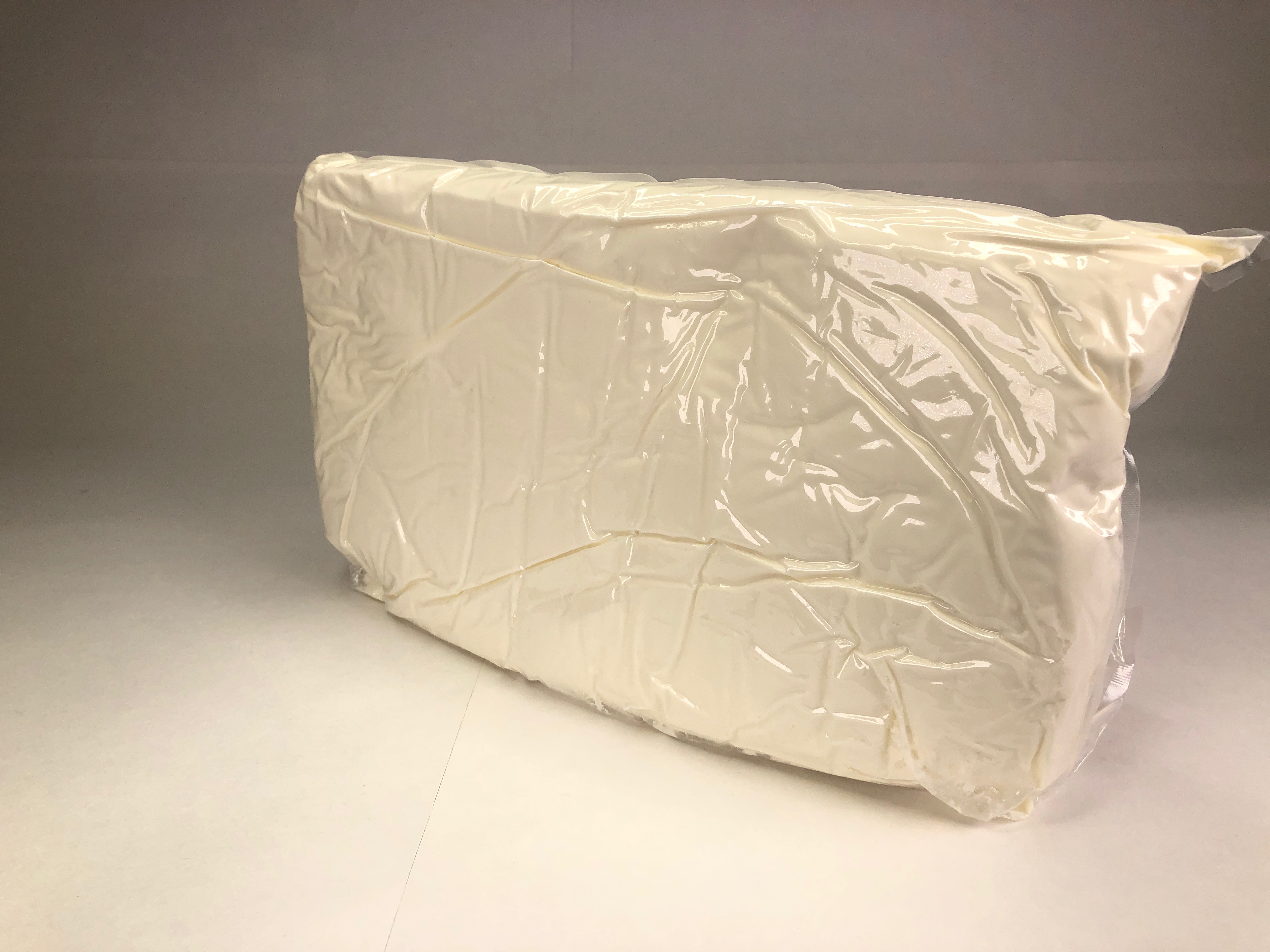
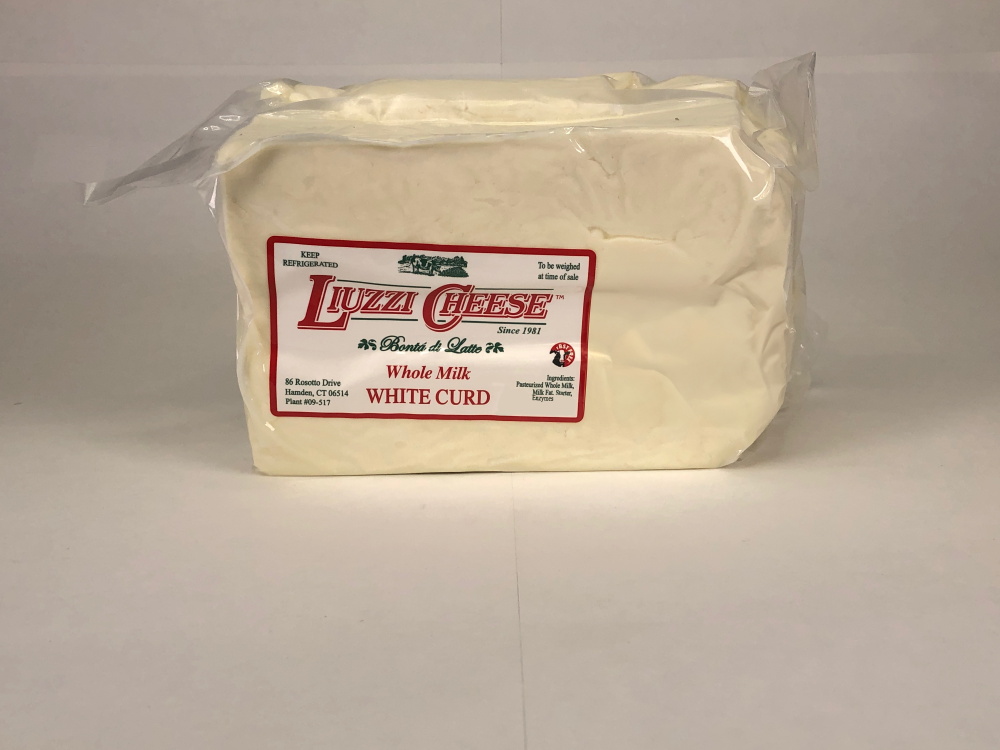
A semi-soft, whole milk pasta filata curd built for fresh mozzarella (fior di latte). This one's designed specifically for mechanical stretching, making it the standard choice for equipment-based production.
Made from sweet fresh whey — the leftover byproduct of other cheesemaking — blended with cream, milk, and salt, and ladled by hand. This is ricotta closest to its original meaning: a cheese made by recooking whey rather than starting fresh from whole milk, giving it a lighter fat content than the rest of the line.
Made from a whole milk and sweet whey blend with cream added, then homogenized to a smooth, creamy consistency. Sits closer to Fina Ricotta in richness and flavor than the drier Impastata varieties, while still holding structure for filling work.
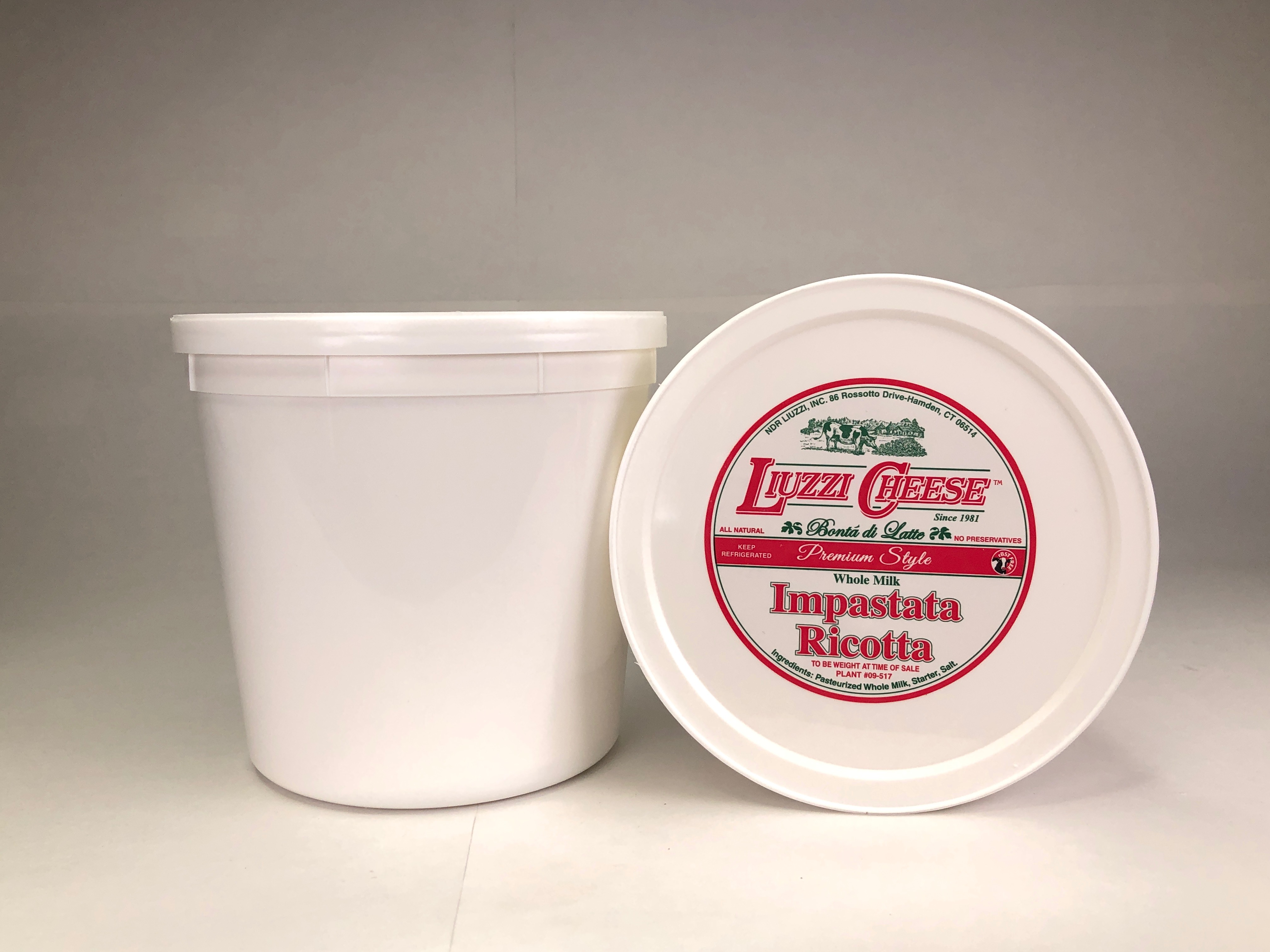
The richest of the Impastata line, with cream added to the base and a noticeably higher butterfat content. Soft, smooth, and lower moisture, it's built for foodservice use in ravioli, manicotti, lasagna, stuffed shells, and bakery fillings.
A drier version of Classica, built specifically for cannoli filling made with liquid sugar — the extra dryness compensates for the added moisture the liquid sugar brings, keeping the final filling firm instead of loose.
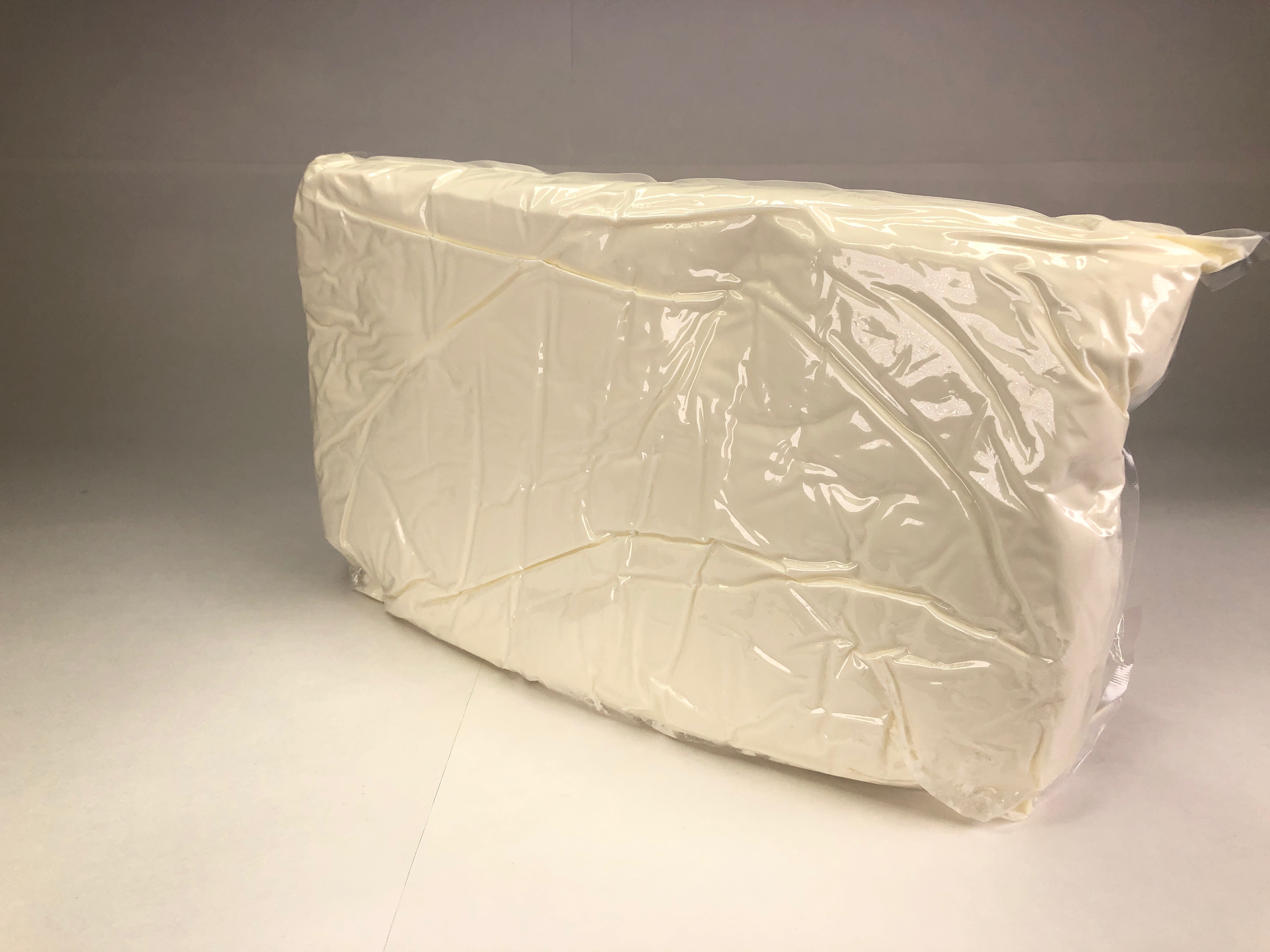
A dry, homogenized-style ricotta made for structure — this is the workhorse cannoli and pasta filling. Lower moisture than a fresh ricotta means it holds its shape under heat and piping pressure instead of weeping.
Ladled into basket molds and left to drain overnight, taking on the ridged shape the baskets are named for — closer to Hand Dipped in the process, defined by drainage and shape rather than blending.
Made from a whole milk and sweet whey blend, carried to the same homogenized, smooth consistency as Fina, but with a rounder, sweeter flavor the whey blend brings out.
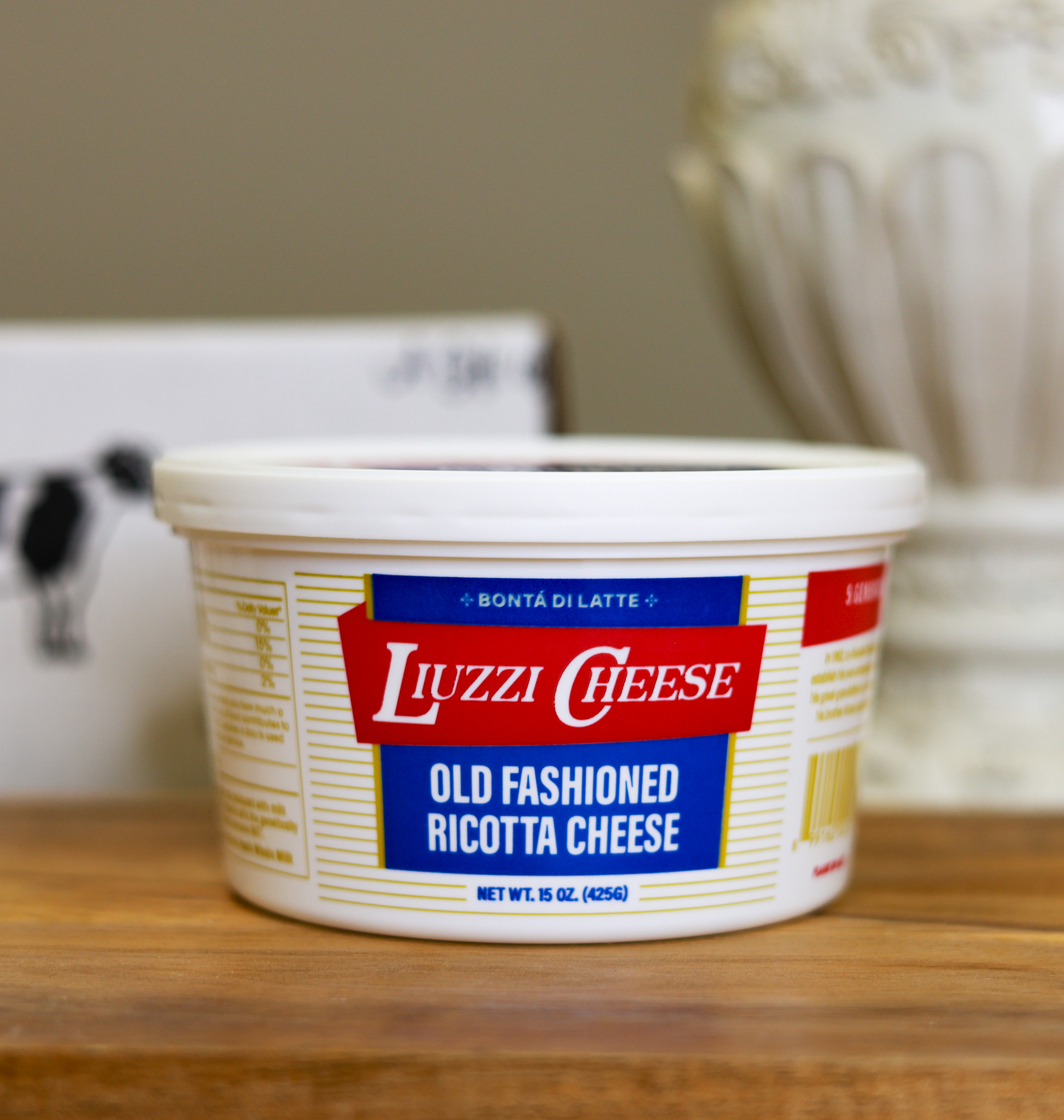
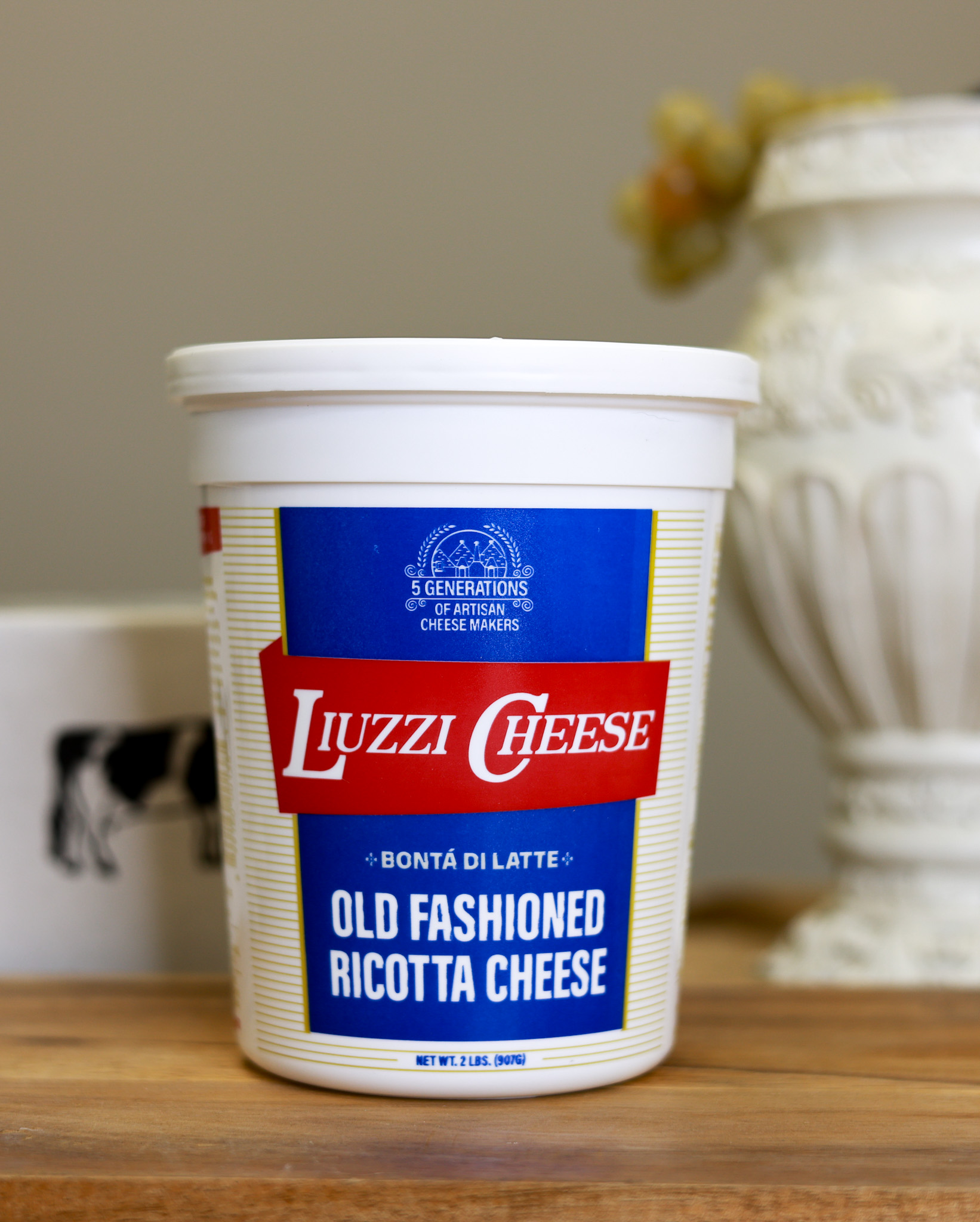
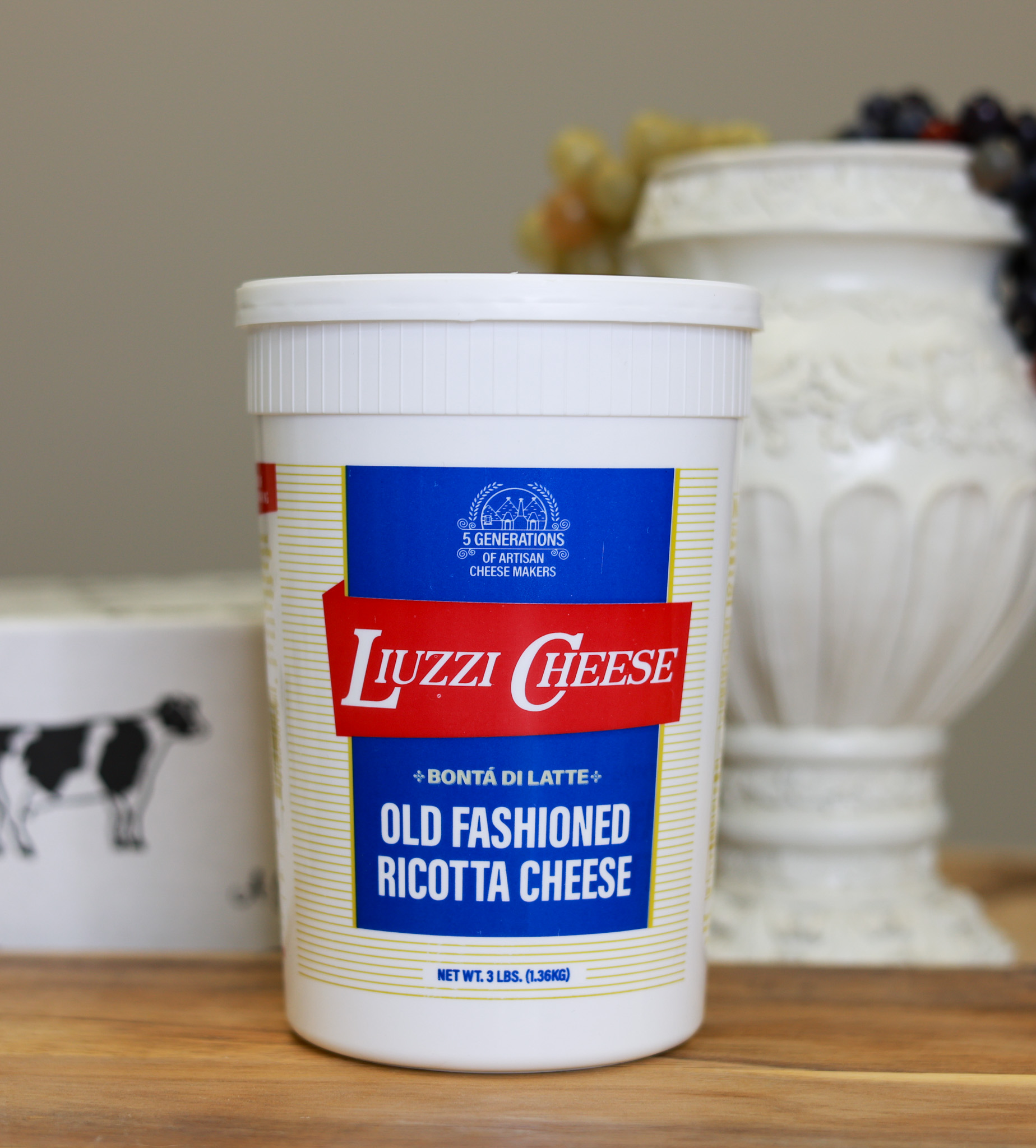
Sits at the same stage as Old Fashioned in the process, with a lighter butterfat content for a leaner bite. Delicately sweet, with the same traditional curd texture — just a touch less rich.
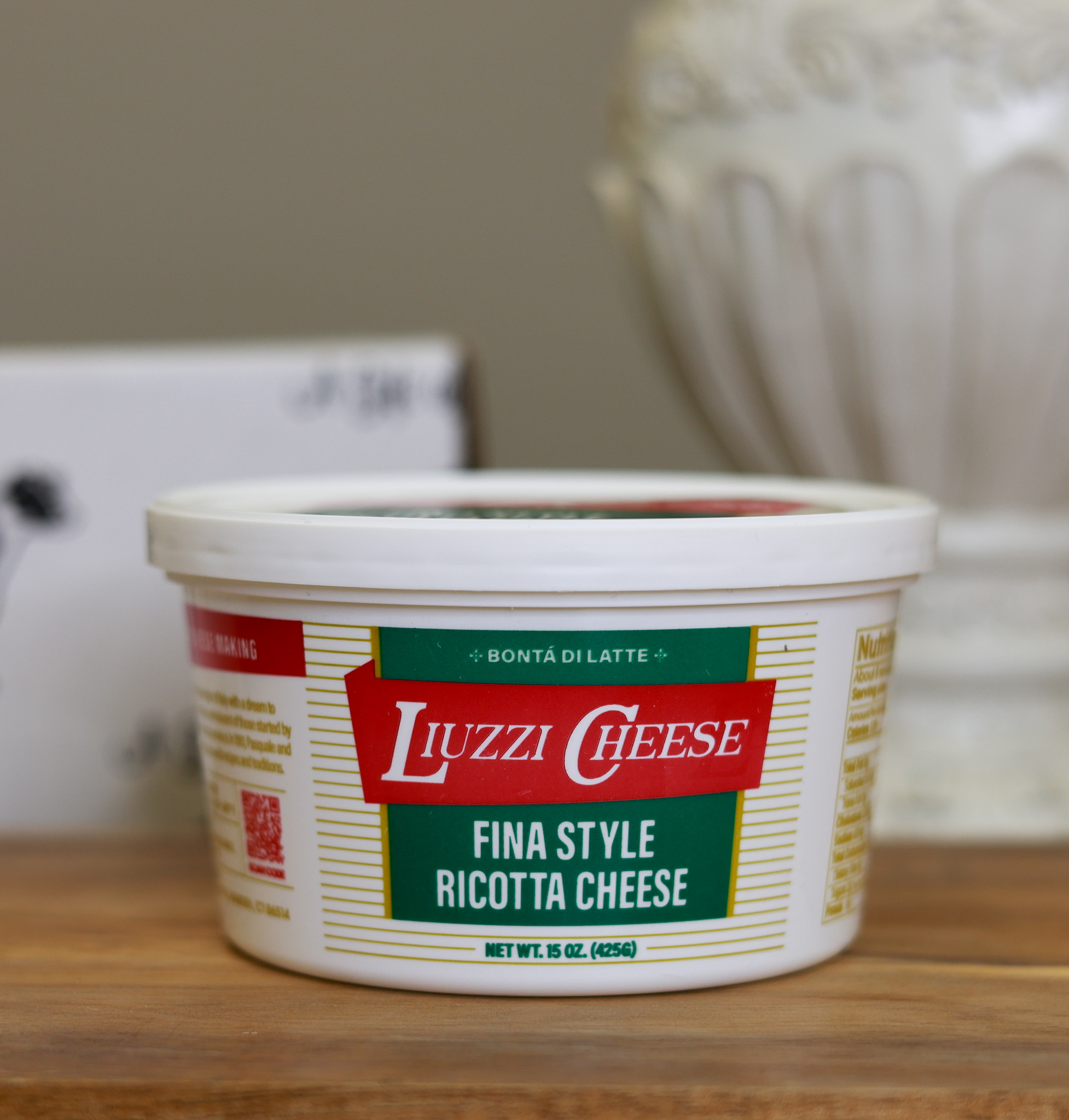
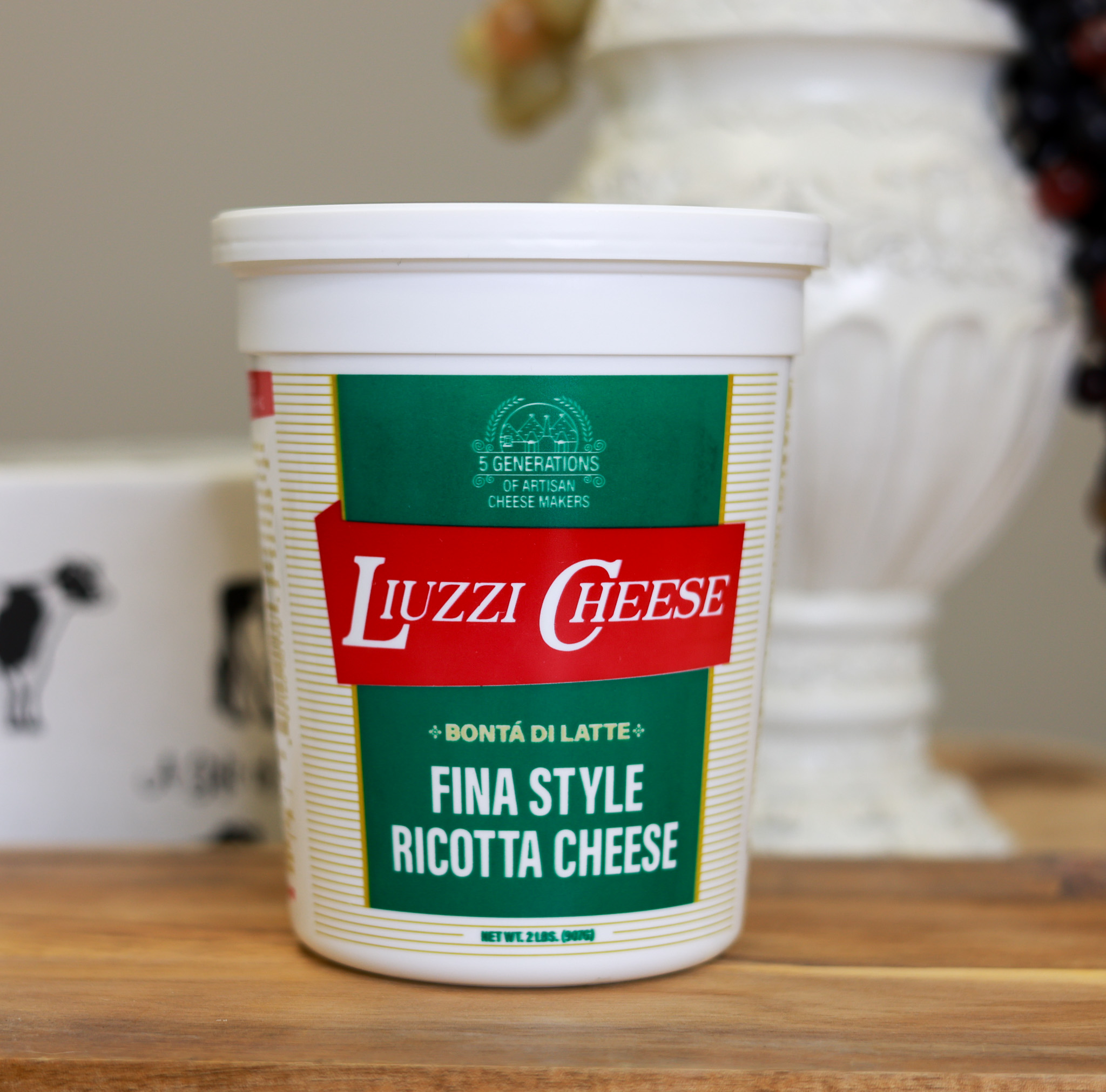
The third stage of the process: cream is blended directly into the curd and the whole batch is homogenized into a smooth, spreadable consistency. Mild and sweet, this is the most processed — and most versatile — point in the line.
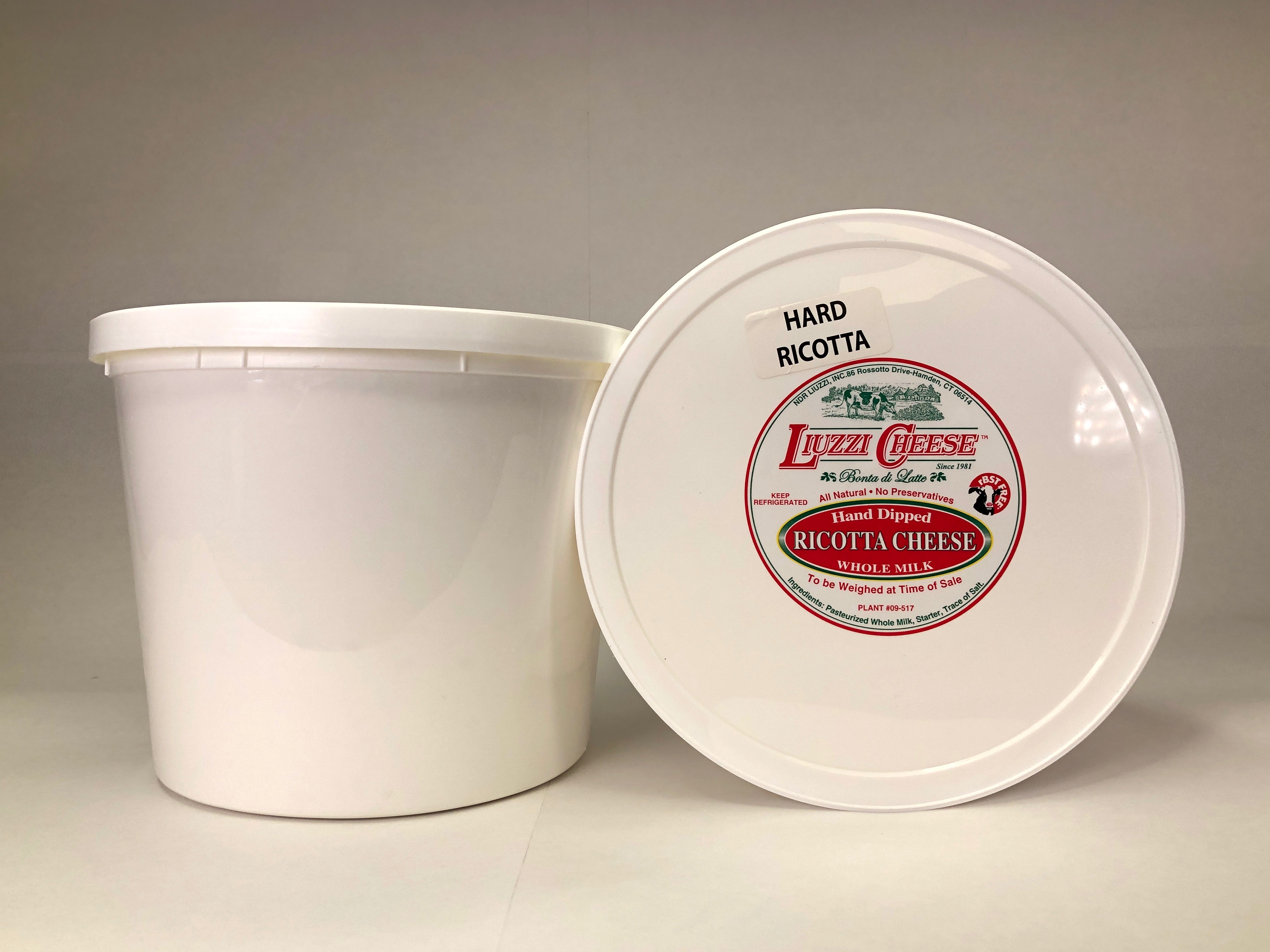
Ladled into perforated tins that let excess whey drain away naturally, giving this ricotta a fluffy, light texture. This is the first stage of the process — before any further pressing or blending — so the curd stays loose and delicate.
The next step after Hand Dipped: still a large-curd ricotta with its traditional structure intact, but further along than the freshly-drained stage. Delicately sweet with a creamy white color — built for anyone who wants real curd texture rather than a smooth blend.
Fifth-generation Italian cheesemakers, crafting fresh mozzarella, ricotta, and burrata in Hamden, Connecticut since 1981.